

A freshly opened essential oil smells vibrant and potent—but without proper care, that intensity fades fast.
The best way to store essential oils after opening is to keep them in tightly sealed, dark glass bottles, stored upright in a cool, dry, and dark environment—away from sunlight, heat, and oxygen.
Proper post-opening storage preserves their therapeutic benefits, aroma, and safety for skin application or inhalation.

How long do essential oils last once opened?
Every drop doesn’t last forever. Some fade quickly, others linger for years.
Once opened, most essential oils last between 1 to 5 years, depending on their composition, storage conditions, and whether they contain volatile or stabilizing compounds.
Top notes like citrus degrade quickly, while base notes like patchouli and sandalwood have longer shelf lives.
Shelf Life by Oil Type
| Oil Category | Example Oils | Typical Shelf Life | Notes |
|---|---|---|---|
| Top Notes | Lemon, Bergamot | 6–12 months | High oxidation risk |
| Middle Notes | Lavender, Clary Sage | 1–2 years | Moderate sensitivity |
| Base Notes | Vetiver, Patchouli | 3–5+ years | Slow to degrade, longer shelf |
PauPack packaging includes printed "Open Date" labels and batch coding on bottles and boxes to help brands and users monitor product life cycles with clarity and confidence.
What is the 30/50/20 rule for essential oils?
If you're blending oils after opening, this rule helps you maximize aroma and usability.
The 30/50/20 rule refers to the ideal ratio in essential oil blending: 30% top notes (quick to fade), 50% middle notes (body of the scent), and 20% base notes (long-lasting fixatives).
This structure helps maintain aromatic balance and shelf life—especially in formulations intended for diffusers or skincare.
Post-Opening Storage Consideration by Note
| Note Type | Storage Priority | Example Oils |
|---|---|---|
| Top | Tight seal, rapid use | Grapefruit, Orange |
| Middle | Rotate regularly | Eucalyptus, Rosemary |
| Base | Long-term, less urgent | Myrrh, Cedarwood |
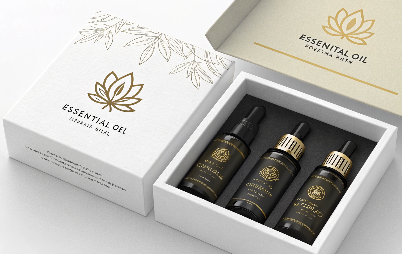
At PauPack, we design custom boxed kits based on this ratio, helping users not only blend more confidently, but also store and rotate oils based on their volatility and shelf life.
What is the best carrier oil for essential oils?
Blending essential oils into a carrier isn’t just about dilution—it’s about preservation.
The best carrier oils are those that are stable, non-comedogenic, and have minimal scent—such as jojoba oil, sweet almond oil, or fractionated coconut oil.
These carrier oils help extend usability, especially for skincare applications after an essential oil bottle is opened.
Carrier Oil Comparison
| Carrier Oil | Scent Profile | Shelf Life | Best Use |
|---|---|---|---|
| Jojoba Oil | Neutral, waxy | 2–3 years | Facial serums, rollers |
| Fractionated Coconut | Odorless, light | 3–5 years | Massage blends, dilution |
| Sweet Almond | Slightly nutty | 6–12 months | Body oils, hair care |
| Grapeseed | Light, crisp | 6–12 months | Massage, bath oils |
We help PauPack clients pair essential oils with matching carrier oils in kit formats, with glass pipette or pump packaging to limit contamination and oxidation during use.
Do essential oils need to be in dark bottles?
Once opened, exposure starts—and protection becomes even more critical.
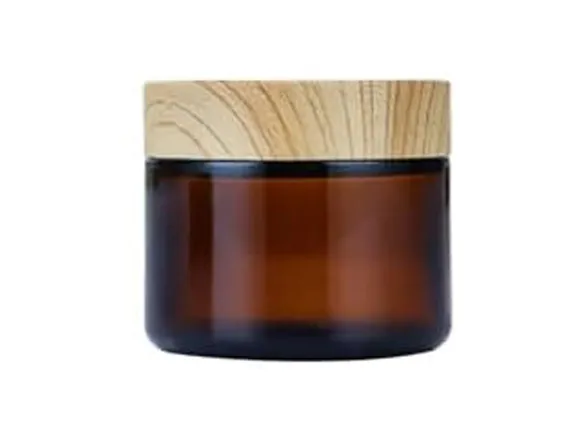
Yes, essential oils must be stored in dark glass bottles, such as amber or cobalt, to block UV rays that degrade their chemical structure and reduce shelf life.
Even brief exposure to sunlight or fluorescent lighting can alter an oil’s aroma or therapeutic quality.
Bottle Color Effectiveness
| Glass Color | UV Protection | Suitable For |
|---|---|---|
| Amber | 90%+ | All essential oils |
| Cobalt Blue | Moderate | Stylish display kits |
| Frosted Glass | Limited | Short-term use |
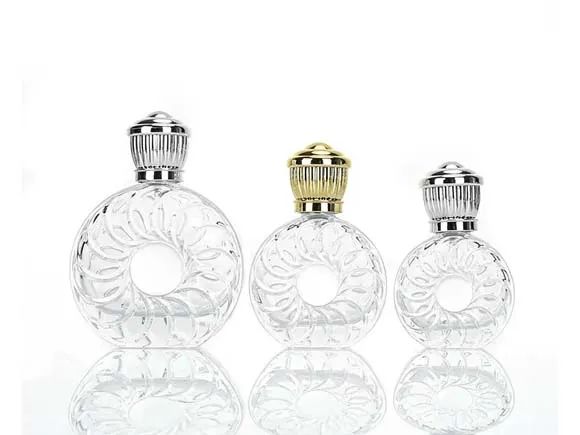
| Clear Glass | None | Avoid for open oils |
At PauPack, our bottles are pharma-grade, UV-tested, and available in custom-branded finishes—ensuring your opened oils stay potent and professional, whether on a bathroom shelf or retail rack.
Conclusion
Once you open an essential oil, the countdown begins. To retain purity, scent, and safety, store it in dark glass, keep it cool, and seal it tight. It’s a simple system—but it makes the difference between a spoiled scent and a powerful solution.