

Essential oils are powerful—but also delicate. Their therapeutic properties and scents can degrade quickly if not stored correctly. So how do you keep every drop as fresh as the day it was bottled?
The best way to store essential oils is in dark glass bottles, tightly sealed, and kept in a cool, dry place away from light and heat. For long-term storage, refrigeration is also effective.
Whether you're a casual user or a brand managing bulk inventory, proper storage is essential for quality and shelf life.

How should I store my essential oils?
Avoiding heat and light is the golden rule.
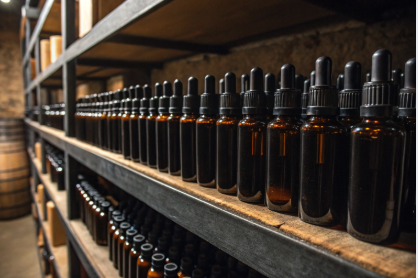
Store essential oils in tightly closed amber or cobalt glass bottles, in a cool, dark place. Keep them upright, and avoid temperature fluctuations.
Dive Deeper: 5 Golden Storage Rules
At PauPack, we provide not only the packaging but the education brands need to protect their products. Here are the essentials:
1. Use Dark Glass
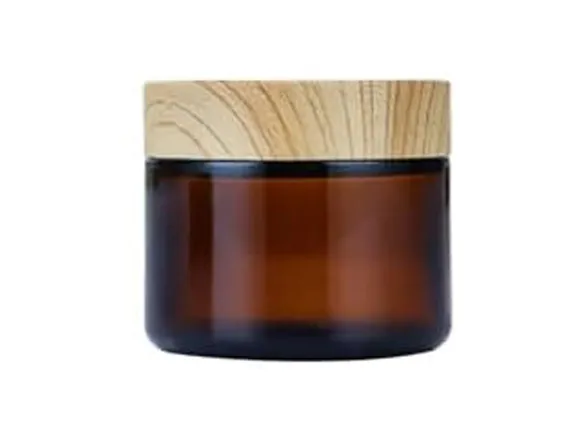
Amber or cobalt glass prevents UV light from breaking down oils. Never use clear bottles for long-term storage.
2. Seal Tightly
Oils are volatile—exposure to oxygen causes oxidation and evaporation. Always screw caps on tightly after each use.
3. Cool Location
Room temperature is fine for daily use. But for storage beyond 6–12 months, choose a spot below 70°F (21°C). Avoid:
-
Window ledges
-
Near stoves or radiators
-
Direct sunlight
4. Keep Upright
Storing sideways can cause cap leakage or breakdown of the liner—especially for citrus oils.
5. Label and Rotate
Include the fill date and batch number. Use the oldest bottles first.
At PauPack, we offer bottles with expiry date printing and tamper-evident closures to help brands meet compliance and educate customers.
What is the 30 50 20 rule for essential oils?
Formulating blends? Structure brings scent harmony.
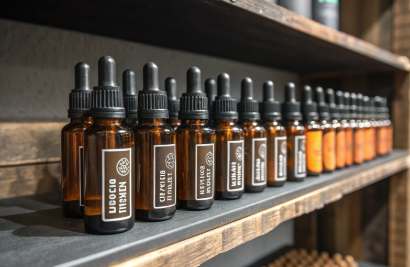
The 30/50/20 rule is a guideline for essential oil blends: 30% top notes, 50% middle notes, and 20% base notes. It helps balance scent longevity and aroma layering.
Dive Deeper: Why Storage Supports Structure
Once you’ve crafted the perfect blend, poor storage can throw it all off.
-
Top notes (like lemon, peppermint) evaporate first and are the most fragile
-
Middle notes (like lavender, rosemary) form the heart
-
Base notes (like patchouli, vetiver) anchor and last longest
Proper storage keeps these notes balanced. That’s why PauPack offers:
-
Air-tight dropper bottles to minimize loss of top notes
-
UV-protective finishes to stabilize scent profiles
-
Custom inserts to protect bottles during storage and shipping
Should essential oils be kept in dark bottles?
Short answer: Yes. Always.
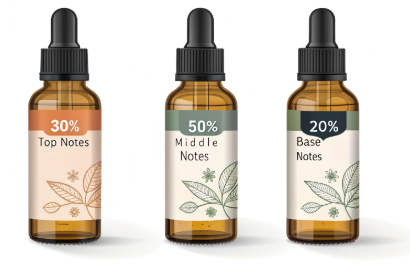
Essential oils should be kept in dark bottles like amber or cobalt glass. Light exposure can degrade their chemical composition, reduce potency, and alter fragrance.
Dive Deeper: Why Glass Color Matters
UV rays speed up oxidation, especially for citrus, floral, and herbaceous oils. Clear glass, while attractive, is dangerous for long-term storage.
PauPack Bottle Color Options:
| Color | UV Protection | Recommended Use |
|---|---|---|
| Amber | High | General retail packaging |
| Cobalt Blue | High | Premium branding |
| Matte Black | Very High | Long-term/high-value oils |
PauPack helps brands select bottles that balance UV defense, branding goals, and pricing—with options like matte coatings, frosted effects, and hot foil stamping.
Should you keep essential oils in the fridge?
Not always necessary—but sometimes smart.
Refrigeration is optional for essential oils but can help extend shelf life, especially for citrus oils and rare blends. Just avoid freezing.
Dive Deeper: Fridge-Friendly Guidelines
Ideal Oils for Refrigeration:
-
Citrus oils (lemon, orange, bergamot): high oxidation risk
-
Delicate florals (jasmine, neroli): expensive and volatile
-
Carrier oils (if using): extend freshness
Tips:
-
Store in a dedicated container or box to avoid cross-contamination
-
Let bottles return to room temp before opening (prevents condensation inside)
At PauPack, we offer insulated packaging options and temperature-resistant glass for brands shipping oils across regions or storing in professional settings.
Conclusion
Proper essential oil storage isn’t complicated—it’s essential. Dark glass, airtight caps, and cool, stable environments protect your oils and your brand. PauPack delivers packaging that does all that—and looks good doing it.