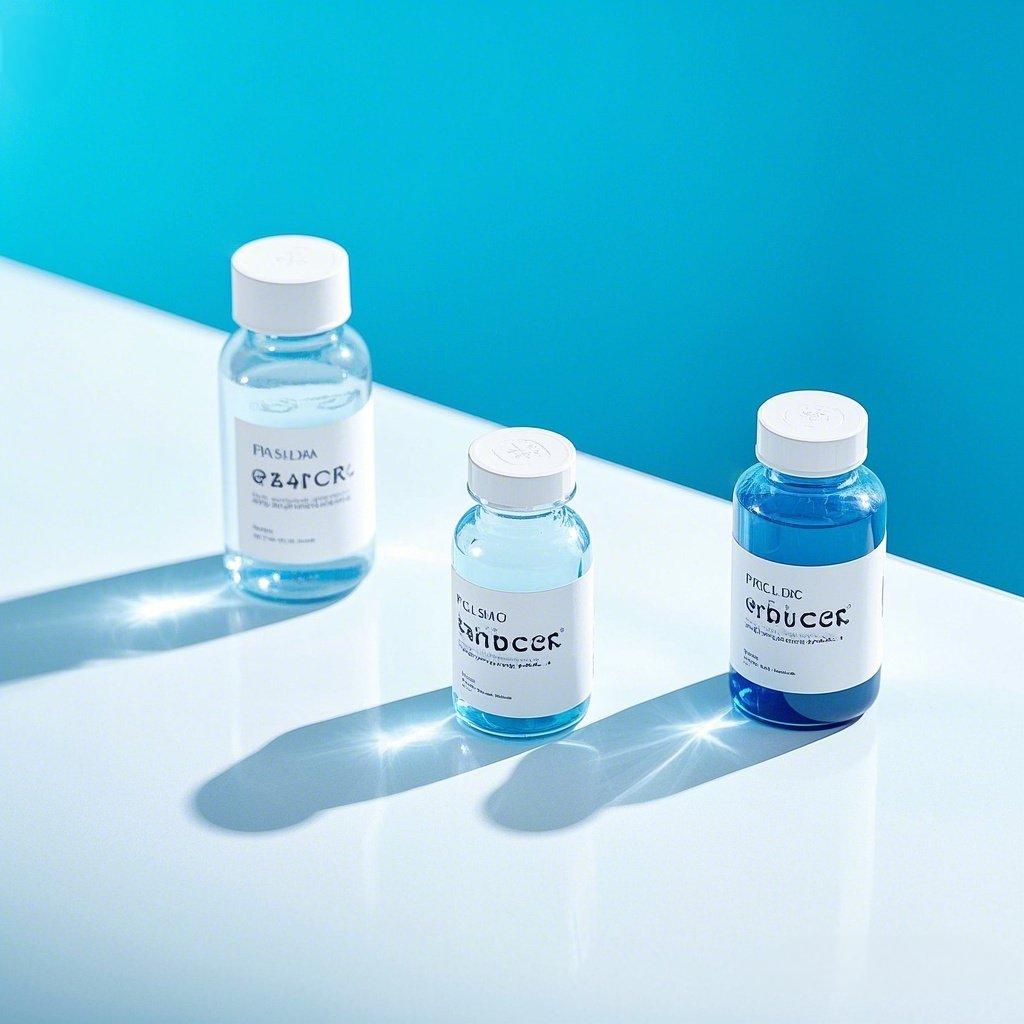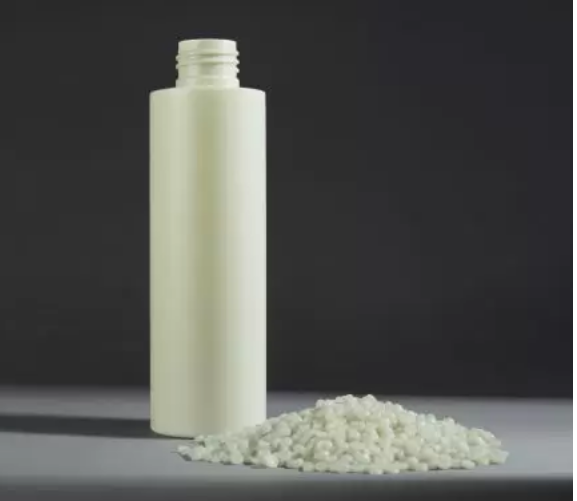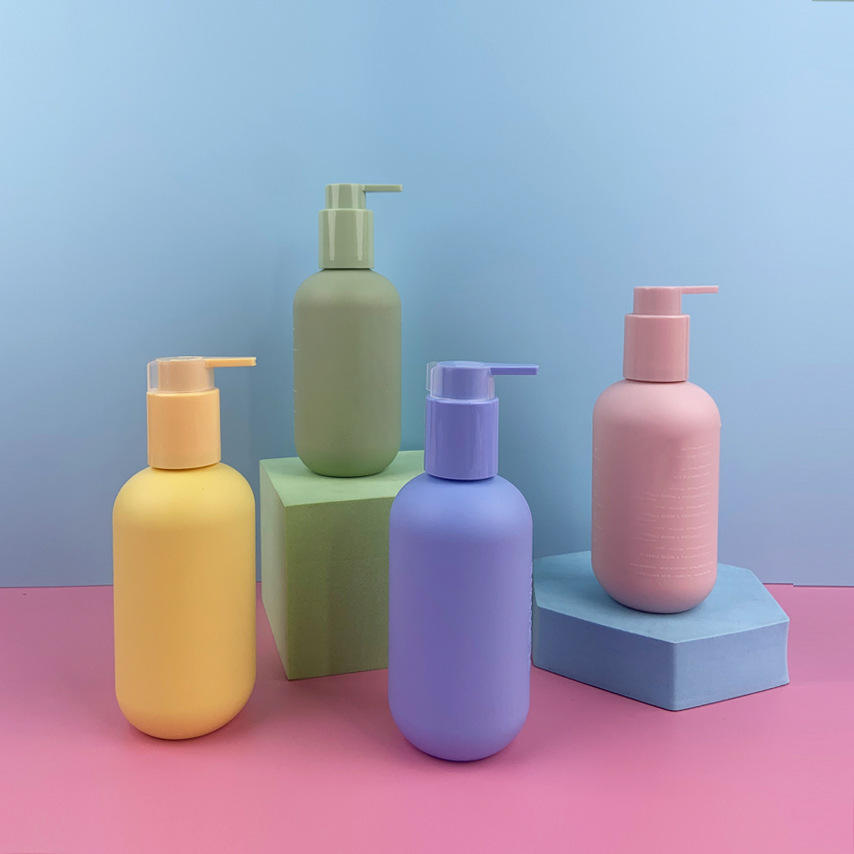


In the evolving landscape of sustainable packaging,PCR (Post-Consumer Recycled) bottleshave emerged as a pivotal solution for brands aiming to reduce environmental impact while maintaining product quality and appeal. But what exactly is a PCR bottle, and why is it gaining so much attention in 2024? This comprehensive guide dives deep into the definition, manufacturing process, benefits, applications, and future trends ofPCR bottles, helping you understand their significance in today’s packaging industry.
Our company,PAU Packaging(www.paupacking.com), ranks among the top global suppliers of high-quality PCR bottles, combining innovation, sustainability, and customization to meet diverse market needs.
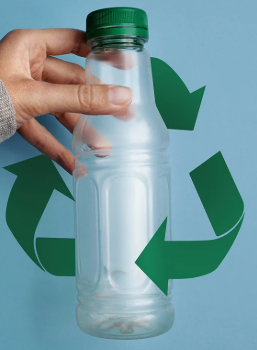

Table of Contents
-
Defining PCR Bottles
-
The Manufacturing Process of PCR Bottles
-
Materials Used in PCR Bottles
-
Benefits of Using PCR Bottles
-
Common Applications of PCR Bottles
-
Quality and Safety Standards
-
Challenges and Considerations
-
PAU Packaging’s Role in PCR Bottle Supply
-
Comparison Table of PCR Bottle Features
-
The Future of PCR Bottles in Sustainable Packaging
-
Conclusion
1. Defining PCR Bottles
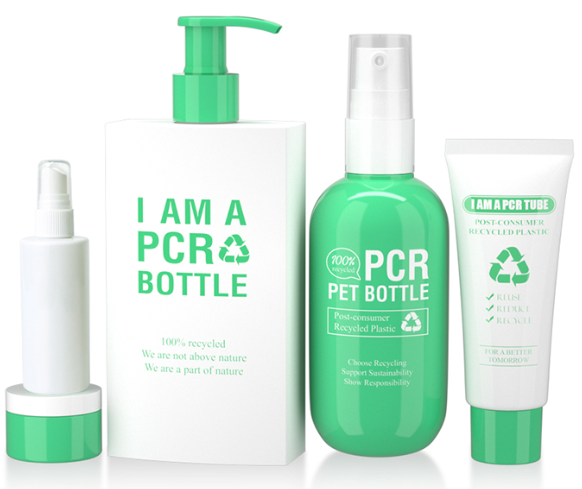
APCR bottleis a container made fromPost-Consumer Recycled plastic, which means it is produced using recycled plastic materials collected after consumer use. These plastics are reprocessed and remanufactured into new bottles, reducing the need for virgin plastic production. PCR bottles are a key component of sustainable packaging strategies, offering brands a way to minimize environmental footprint while delivering functional and attractive packaging.
2. The Manufacturing Process of PCR Bottles
The production of PCR bottles involves several critical steps:
-
Collection:Post-consumer plastic waste is collected from recycling programs.
-
Sorting:Plastics are sorted by type and color to ensure quality.
-
Cleaning:Materials are washed to remove contaminants.
-
Pelletizing:Cleaned plastics are shredded and melted into pellets.
-
Blending:PCR pellets are blended with virgin resin if necessary to meet quality standards.
-
Molding:The blended material is formed into bottles using injection molding, blow molding, or extrusion blow molding.
-
Finishing:Bottles undergo quality checks, trimming, and surface treatments for printing or labeling.
3. Materials Used in PCR Bottles
Common plastics used inPCR bottlesinclude:
-
PCR PET (Polyethylene Terephthalate):Known for clarity, strength, and recyclability.
-
PCR HDPE (High-Density Polyethylene):Offers chemical resistance and durability.
-
PCR PP (Polypropylene):Provides heat resistance and versatility for various applications.
-
PCR LDPE (Low-Density Polyethylene):Used for flexible or squeezable bottles.
4. Benefits of Using PCR Bottles
-
Environmental Impact Reduction:Significantly lowers carbon emissions and plastic waste.
-
Resource Conservation:Reduces reliance on fossil fuels and virgin plastic production.
-
Regulatory Compliance:Meets increasing mandates for recycled content in packaging.
-
Consumer Appeal:Aligns with growing consumer demand for sustainable products.
-
Cost Efficiency:Can reduce material costs and benefit from recycling incentives.
5. Common Applications of PCR Bottles
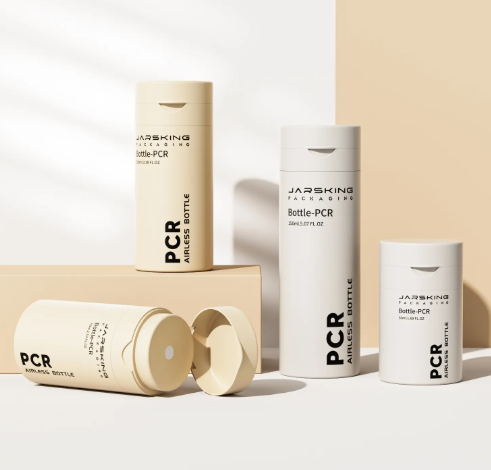
PCR bottlesare widely used across industries such as:
-
Personal Care:Shampoos, lotions, and cosmetics.
-
Food & Beverage:Juices, sauces, and edible oils.
-
Household Products:Detergents, cleaners, and disinfectants.
-
Pharmaceuticals:Medicine bottles and health supplements.
6. Quality and Safety Standards
Manufacturers ensure PCR bottles meet strict standards:
-
FDA Compliance:For food and pharmaceutical safety.
-
ISO Certifications:Quality management and environmental standards.
-
Material Testing:For contaminants, mechanical strength, and chemical resistance.
-
Traceability:Documenting PCR content and source materials.
7. Challenges and Considerations
-
Material Quality Variability:Ensuring consistent PCR quality can be complex.
-
Color Limitations:PCR materials may have color restrictions or require blending.
-
Processing Requirements:PCR plastics sometimes need specialized handling.
-
Consumer Perception:Educating consumers on PCR benefits is essential.
8. PAU Packaging’s Role in PCR Bottle Supply
PAU Packaging(www.paupacking.com) is a leading manufacturer specializing in high-qualityPCR bottlesdesigned for durability, aesthetic appeal, and sustainability. With advanced manufacturing technologies and rigorous quality control, PAU Packaging supports brands worldwide in meeting their environmental goals without compromising on performance or design flexibility.
9. Comparison Table of PCR Bottle Features
| Feature | Description | Typical Materials | Applications | Sustainability Impact |
|---|---|---|---|---|
| Clarity | Transparency level for product visibility | PCR PET | Beverages, cosmetics | High (recyclable) |
| Chemical Resistance | Ability to withstand chemicals and solvents | PCR HDPE, PCR PP | Household, pharma | Moderate |
| Heat Resistance | Tolerance to heat during processing and use | PCR PP | Hot-fill beverages, pharma | Moderate |
| Flexibility | Material flexibility for squeezable bottles | PCR LDPE | Personal care, food | Moderate |
| PCR Content | Percentage of recycled material in bottle | Varies (up to 100%) | All industries | High |
10. The Future of PCR Bottles in Sustainable Packaging
The future ofPCR bottleslooks promising with advancements such as:
-
100% PCR Content Bottles:Increasing availability without quality compromise.
-
Chemical Recycling:Enhancing PCR purity and performance.
-
Lightweighting:Reducing material use for lower carbon footprint.
-
Smart Packaging:Integrating technology for traceability and consumer engagement.
-
Circular Economy Integration:Designing bottles for easy recycling and reuse.
11. Conclusion
PCR bottlesrepresent a vital step forward in sustainable packaging, offering brands a practical way to reduce environmental impact while maintaining product integrity and appeal. Understanding what a PCR bottle is, how it is made, and its benefits enables businesses to make informed decisions in their packaging strategies.
PAU Packagingstands as a global leader in providing innovative, high-quality PCR bottles tailored to diverse industry needs. Visitwww.paupacking.comto explore sustainable packaging solutions that align with your brand’s vision and environmental commitments.