

Essential oils smell amazing—but drop them straight into a spray bottle and you’ll run into floating blobs, clogged nozzles, or wasted ingredients. So what do you actually mix with essential oils to make a spray?
To make a spray with essential oils, mix them with a carrier liquid like distilled water and a solubilizer such as alcohol, witch hazel, or glycerin to help blend and stabilize the formula.
Whether you're crafting a room spray, body mist, or natural perfume, the magic is in the mix. Let’s explore exactly what goes into a stable, functional essential oil spray.

How to dilute essential oils to make a spray?
Concentration matters—not just for scent, but for safety and performance.
To dilute essential oils for a spray, combine 5–30 drops of oil with 100ml of water or alcohol base, depending on the intended use and sensitivity of the target area.
Safe Dilution Guidelines
| Spray Type | Essential Oils | Base Liquid | Notes |
|---|---|---|---|
| Room Spray | 20–30 drops | 100ml alcohol or water | Stronger scent acceptable |
| Linen Spray | 15–20 drops | Water + Witch Hazel | Test fabric first |
| Body Mist | 5–10 drops | Water + Aloe/Witch Hazel | Use skin-safe oils |
| Perfume | 20–30% oils | 70–80% alcohol | Requires maturing time |
Always shake well before each use, especially when using water-based blends without synthetic emulsifiers. PauPack’s mist-cap bottles are designed to spray even dispersions without clogging—ideal for both water and alcohol blends.
What liquid do you mix with essential oils?
Not all liquids play well with oils—choose your base carefully.
The best liquids to mix with essential oils are distilled water, ethanol (alcohol), witch hazel, aloe vera juice, or glycerin—each chosen based on use case and oil concentration.
Common Mixing Liquids & Their Functions
| Liquid | Function | Best For |
|---|---|---|
| Distilled Water | Hydration base | Room & body sprays |
| Ethanol (95%) | Preservative & emulsifier | Perfumes, disinfectants |
| Witch Hazel | Soothing agent & mild emulsifier | Facial/body sprays |
| Aloe Vera Juice | Skin soother | Hydrating body mists |
| Glycerin | Humectant (moisturizer) | Hair/body sprays |
PauPack offers packaging solutions compatible with all these liquids—from fine-mist PET bottles for skincare to frosted glass atomizers for premium perfumes.
How to make perfume spray with essential oils?
You want scent, elegance, and longevity. That takes more than just oils.
To make a perfume spray, blend essential oils with high-proof alcohol (like ethanol), age the mixture for a few days, then bottle in a fine-mist sprayer.
Perfume Spray Recipe (Basic)
-
Essential Oil Blend (20–30%)
-
Top, middle, and base notes (e.g. bergamot, lavender, patchouli)
-
-
Alcohol (70–80%)
-
Ethanol or perfumer’s alcohol
-
-
Optional Water (0–10%)
-
Softens the formula
-
Aging & Filtering
-
Let sit for 48–72 hours (or up to 6 weeks)
-
Filter before bottling to remove any undissolved particles
At PauPack, our customizable glass perfume bottles come with precise atomizers and luxury finishes—ideal for brands that want their scent to feel elevated and enduring.
What do you mix with essential oils to make a body spray?
The skin is sensitive—your formulation needs to reflect that.
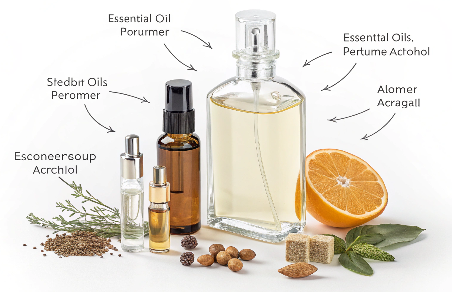
To make a body spray, mix essential oils with a gentle base like distilled water and aloe juice, plus witch hazel or vegetable glycerin to help dissolve the oils and soften the skin.
Skin-Friendly Body Spray Formula (100ml)
| Ingredient | Amount | Purpose |
|---|---|---|
| Distilled Water | 60ml | Hydration base |
| Aloe Vera Juice | 20ml | Skin soothing |
| Witch Hazel | 15ml | Oil disperser |
| Essential Oils | 5–10 drops | Fragrance |
| Glycerin (optional) | 2ml | Moisture boost |
Stick to oils that are non-irritating (like lavender, chamomile, or rose) and avoid photosensitive oils like citrus if sun exposure is expected.
PauPack’s PET and glass spray bottles are available in various sizes (30ml–120ml), and our pumps and caps are tested for formulation compatibility—ideal for wellness and skincare brands scaling their product lines.
Conclusion
To make a stable and effective essential oil spray, you need more than just oils and water—it's about blending with the right carrier and solubilizer to match your spray's purpose and performance needs.