

More consumers—and brands—are asking tough questions about packaging waste. In an age where sustainability drives purchasing decisions, zero waste packaging isn't just good ethics—it’s smart business.
Zero waste packaging alternatives include compostable materials like paper and PLA, reusable formats like glass and metal, and refillable systems. The goal is to eliminate landfill waste through reuse, recycling, or biodegradation.
Let’s explore the best plastic-free options, the most eco-friendly materials, and real methods that businesses can adopt to lower their packaging footprint.

What is the best alternative to plastic packaging?
Choose materials that leave no trace.
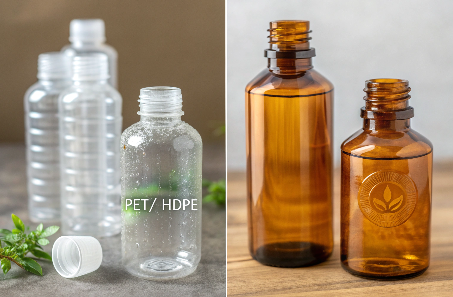
The best alternative to plastic packaging depends on product type—but glass, paper, aluminum, and compostable bioplastics are leading options for both sustainability and performance.
Top Alternatives to Plastic Packaging:
| Material | Benefits | Best For |
|---|---|---|
| Glass | Reusable, recyclable, non-toxic | Skincare, essential oils, perfumes |
| Aluminum | Lightweight, endlessly recyclable | Sprays, food cans, deodorants |
| Paper & Cardboard | Compostable, renewable | Boxes, mailers, outer packaging |
| PLA (Plant-Based Bioplastic) | Compostable under industrial conditions | Travel bottles, sachets, wraps |
| Bamboo | Renewable, biodegradable | Jar lids, product scoops, inserts |
At PauPack, we help brands shift from plastic to glass, bamboo, and PLA for primary packaging—particularly in personal care and aromatherapy. Our eco-designs maintain brand aesthetic while eliminating plastic waste.
What is the most eco-friendly packaging?
It's not just about the material—it’s about the lifecycle.
The most eco-friendly packaging is made from renewable or recycled materials, produced with minimal energy, and designed to be reused, composted, or easily recycled.
Lifecycle Factors That Define Eco-Friendliness:
-
Source: Is the material renewable or post-consumer recycled?
-
Use: Is the packaging reusable or refillable?
-
End of life: Can it be composted or recycled cleanly?
| Packaging Type | Eco Rating | Why |
|---|---|---|
| Refillable glass | ★★★★★ | Durable, non-toxic, reusable |
| Compostable PLA | ★★★★☆ | Plant-based, breaks down in composting facilities |
| Paper packaging | ★★★★☆ | Easy to recycle or compost |
| Aluminum | ★★★★☆ | Infinite recyclability |
| Virgin plastic | ☆☆☆☆☆ | Resource-intensive, polluting |
PauPack specializes in refillable formats for brands looking to create circular product systems—such as glass jars for lotions or aluminum misters for perfumes that customers can reuse again and again.
What are the eco-friendly packaging methods?
Zero waste isn’t just about the material—it’s about how you use it.
Eco-friendly packaging methods include minimalism, compostability, refillability, and mono-material design. These approaches reduce excess and maximize recyclability or reuse.
Sustainable Packaging Methods:
-
Minimalist Design
Less packaging = less waste. No unnecessary inserts or double-boxing. -
Mono-Materials
Using one type of material (e.g., 100% paper) makes recycling easier. -
Refill Systems
Reusable containers with refill pouches or bulk stations. -
Compostable Wraps
PLA films or mushroom packaging that biodegrade in compost bins. -
Recycled Content
Use of PCR (post-consumer recycled) paper, plastic, or glass. -
Digital Labels
QR codes reduce the need for excess printed materials.
At PauPack, we offer zero-waste starter kits for beauty brands—including refill-ready jars, eco cartons, and paper-based labels—tailored to the B2B buyer focused on sustainability and cost-effective shipping.
Which of the following is a sustainable alternative to plastic packaging?
All of the above—when used thoughtfully.
Sustainable alternatives to plastic packaging include paper, glass, aluminum, PLA, and bamboo. The right choice depends on your product, customer behavior, and disposal infrastructure.
| Material | Sustainable? | How to Use Responsibly |
|---|---|---|
| Glass | ✅ | Promote reuse and recycling |
| Aluminum | ✅ | Keep label design removable for recycling |
| Paper | ✅ | Avoid lamination or plastic coating |
| PLA | ✅ (Conditional) | Ensure composting access |
| Bamboo | ✅ | Avoid varnishes that hinder decomposition |
No packaging is 100% impact-free—but by choosing responsibly sourced, end-of-life-conscious materials, brands can significantly reduce their environmental footprint.
PauPack helps brands evaluate these options based on supply chain, audience, and global regulations—ensuring that eco-efforts translate into real results, not just greenwashing.
Conclusion
Zero waste packaging is more than a trend—it’s a design principle for the future. Whether you're swapping plastic for paper, adopting refillable formats, or going all-in on compostable packaging, the goal is the same: less waste, more intention. At PauPack, we offer sustainable packaging solutions that help brands meet this mission without sacrificing beauty or function.