

Sustainable Glass Packaging: Redefining the Future of Packaging
Sustainable glass packaging has emerged as a vital element in the transition towards an environmentally friendly future. In an era where industries are increasingly focusing on reducing their carbon footprint and minimizing waste, this type of packaging serves as a beacon of innovation. By making use of recyclable and renewable materials, the adoption of sustainable glass packaging contributes significantly to environmental conservation.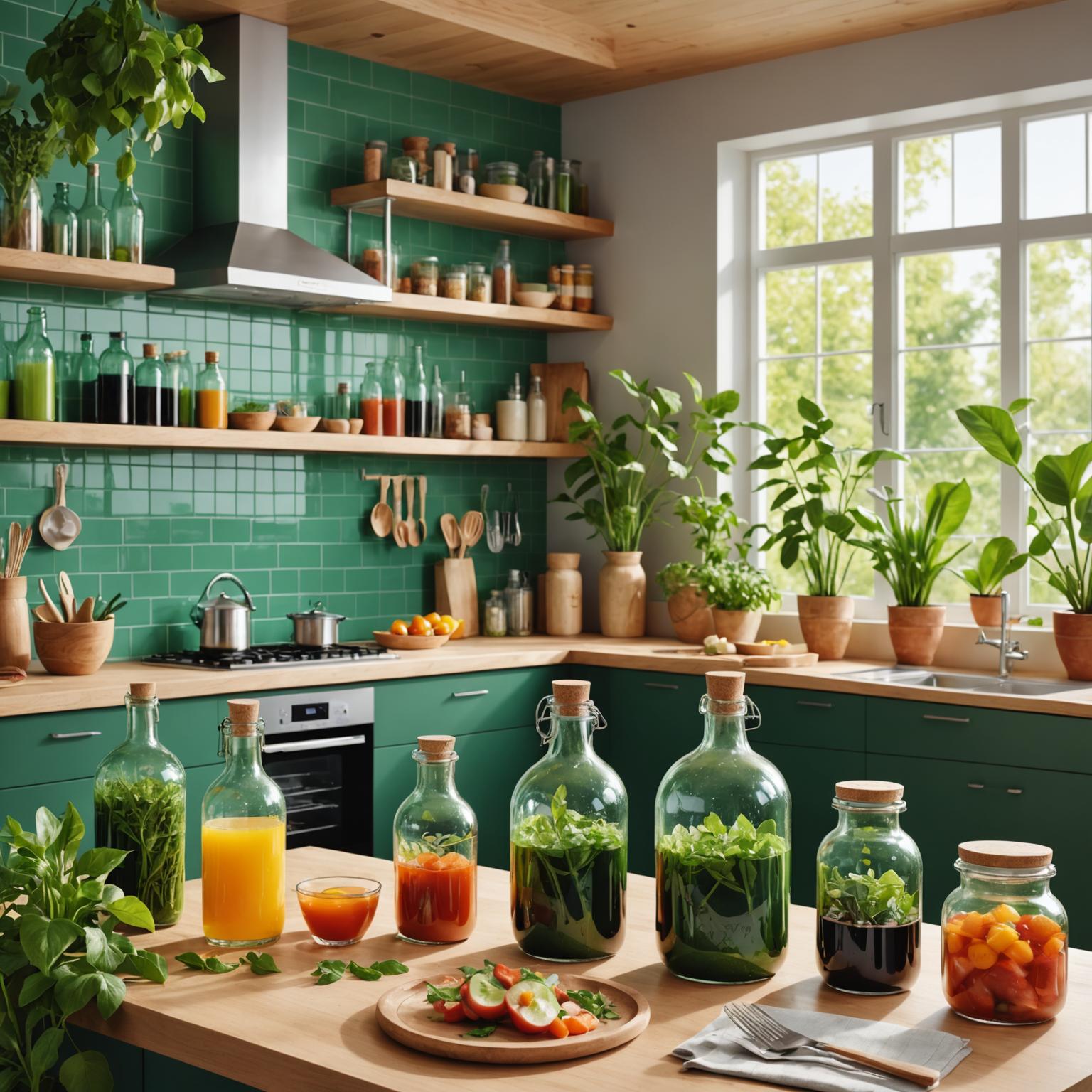
Glass packaging holds distinct advantages over traditional materials like plastic. Unlike plastic, which often ends up polluting oceans and landfills, glass is infinitely recyclable without losing quality or purity. Moreover, it is an excellent choice for manufacturers who prioritize the well-being of the planet, as it reduces resource consumption significantly during the production and recycling processes.
The Appeal of Innovative Glass Containers
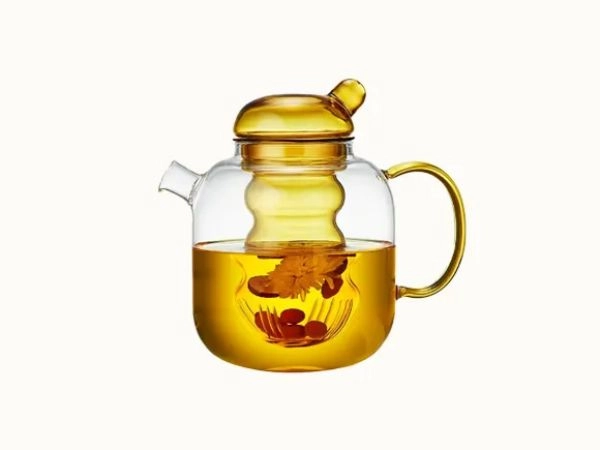
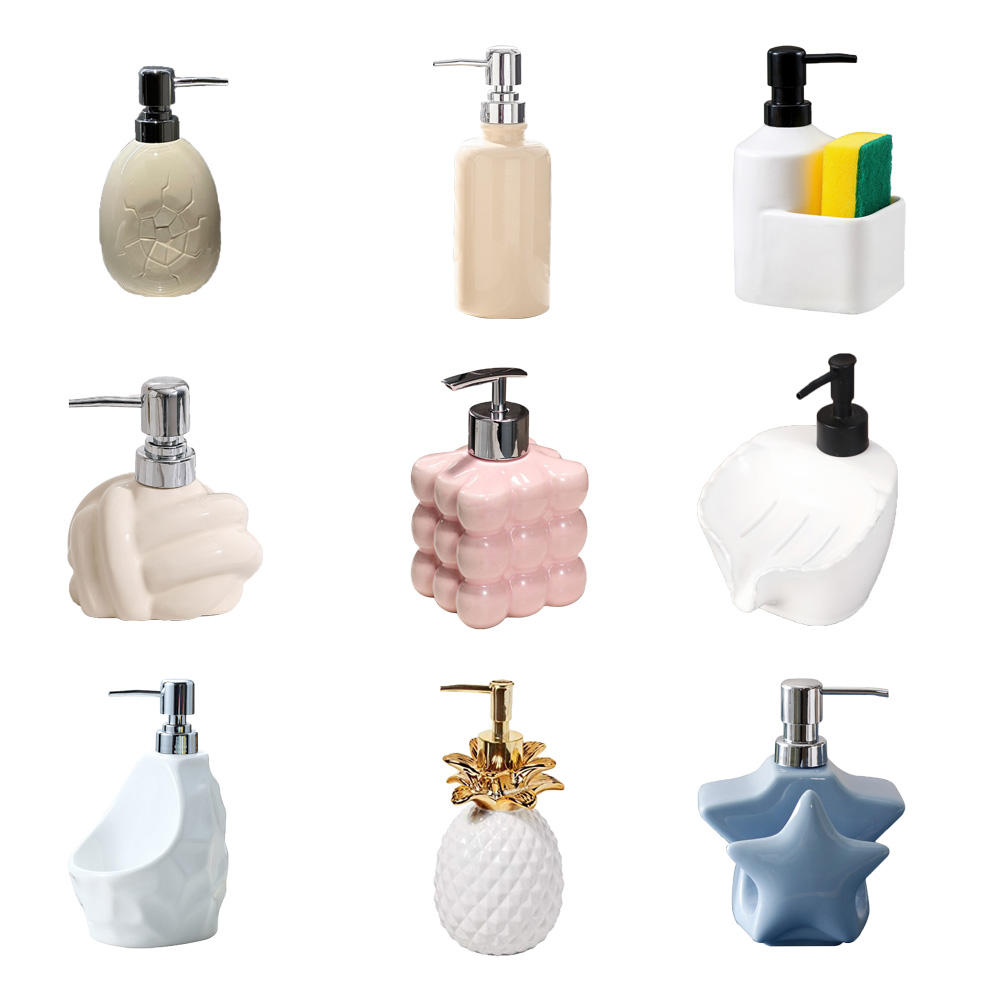
One of the standout benefits of sustainable glass packaging is its incorporation into innovative glass containers. Known for their versatility and durability, these containers serve both functionality and aesthetics. Manufacturers are constantly designing new shapes, sizes, and features, making these containers suitable for various industries such as food and beverages, cosmetics, and pharmaceuticals.
Innovative glass containers not only preserve the quality and freshness of the products they hold but also elevate the visual appeal of their brands. For instance, high-end cosmetics companies favor glass packaging for its premium look and feel. The transparency of glass also allows customers to see the product inside, enhancing trust and boosting purchase decisions.
In terms of functionality, glass containers are non-reactive, ensuring that they do not interact with the contents, making them ideal for sensitive products such as organic foods and essential oils. R&D teams within companies are continuously improving manufacturing techniques to make these containers lighter yet durable, further enhancing their eco-friendly credentials.
Eco-Friendly Glass Bottles: A Step Closer to Zero Waste
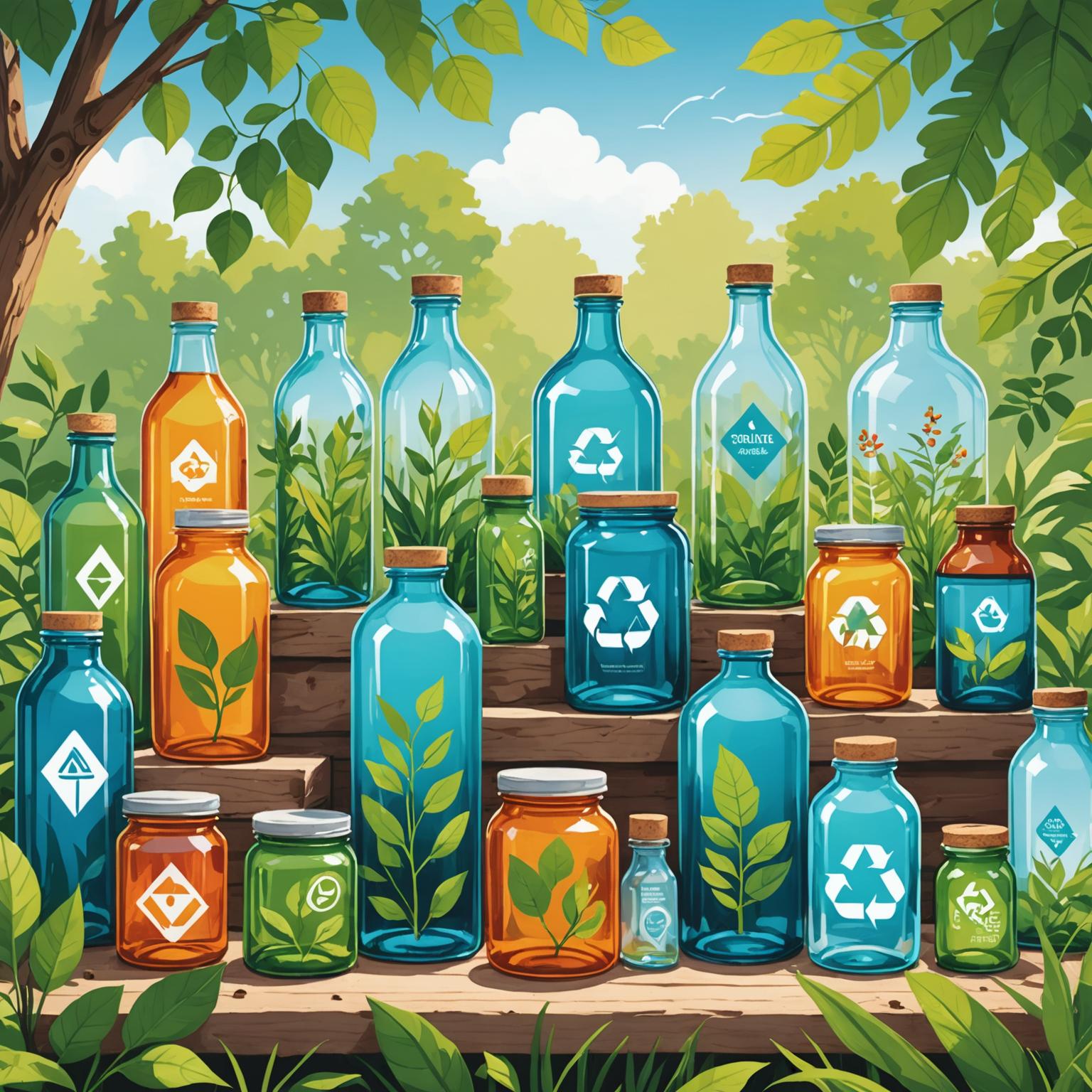
Eco-friendly glass bottles form a critical subset of the sustainable glass packaging landscape. As consumers become more aware of the environmental impact of single-use plastics, the demand for reusable and recyclable bottles has skyrocketed. Eco-friendly glass bottles address these concerns perfectly by striking an ideal balance between sustainability and usability.
Popular in industries like beverages and personal care, these bottles help reduce reliance on plastics while providing robust protection for their contents. Glass naturally preserves flavors and purity, which makes it the preferred choice for wine, craft beer, and even artisanal juices. On the personal care front, companies increasingly use glass bottles for serums, lotions, and perfumes, appealing to environmentally conscious customers.
Additionally, these bottles are reclaimable resources in the circular economy. Post-consumer glass can be melted down and repurposed repeatedly with no loss in quality. This process uses fewer raw materials and energy compared to creating new glass, putting eco-friendly glass bottles at the forefront of zero-waste initiatives.
Why Sustainable Glass Packaging Matters
The importance of sustainable glass packaging goes beyond its functional uses; it also plays a pivotal role in global sustainability goals. Using glass packaging contributes to lower greenhouse gas emissions. For example, producing recycled glass on average requires 40% less energy than new glass production. This not only minimizes energy consumption but also reduces air pollution.
Moreover, the shift to sustainable glass packaging aligns with the growing trend of eco-conscious business practices. In a world where customers prefer brands that demonstrate social responsibility, adopting such practices enhances a company's reputation and fosters brand loyalty. Studies reveal that more than two-thirds of consumers are willing to pay a premium for products packaged sustainably, solidifying this trend as the future of responsible consumption.
The Road Ahead
As technology and demand evolve, the potential for sustainable glass packaging grows exponentially. Innovations in lightweighting, which involves making glass thinner without compromising its strength, are transforming how this material is utilized across various industries. Additionally, the integration of smart technology, such as QR codes printed on bottles or embedded microchips, is enhancing consumer engagement and product traceability.
Collaboration between governments, industries, and consumers is critical to extending the use of sustainable glass packaging globally. Educational campaigns promoting glass recycling and investment in robust recycling infrastructure can further increase its effectiveness. Businesses that embrace this shift early stand to gain not only a competitive edge but also contribute meaningfully to protecting the planet.
In conclusion, sustainable glass packaging is not only an environmentally responsible choice but also a strategic one for forward-thinking companies. Its inherent qualities—recyclability, aesthetic appeal, and premium quality—ensure its place as a driving force in modern packaging solutions. By integrating innovative glass containers and eco-friendly glass bottles into everyday use, society can collectively take a step closer to a zero-waste future while reaping the economic and environmental benefits of this transformative solution.