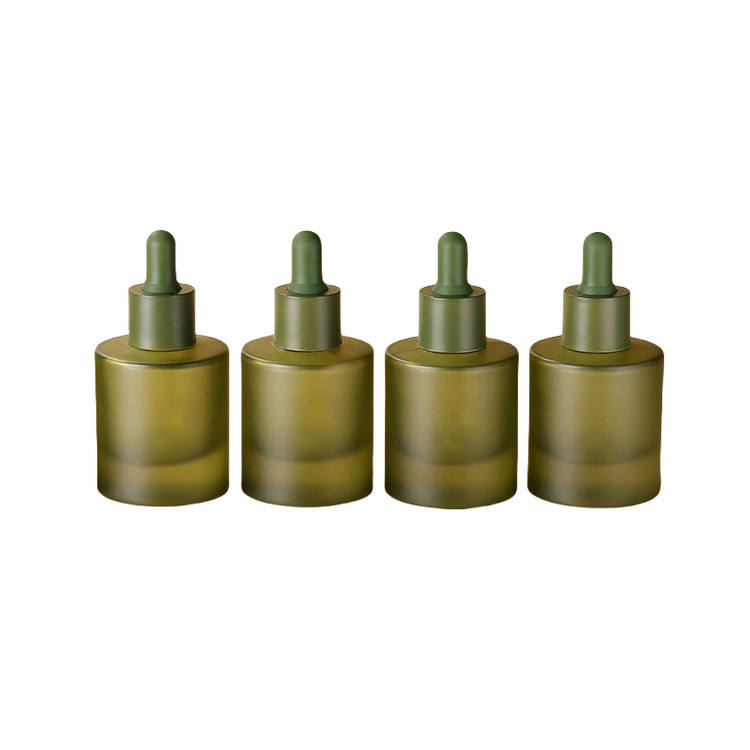


Private label essential oil packaging succeeds when six handoffs carry one approved product story from formula owner to packed order. PauPack treats the program as a relay: every participant receives identified inputs, completes a defined decision and passes traceable evidence forward.
Handoff 1: Brand Brief to Package Architecture
Define product range, fill sizes, use route, markets, quantity, launch date and brand position. Separate must-have requirements from visual preferences. PauPack's essential oil bottle range offers stock platforms for early architecture decisions.
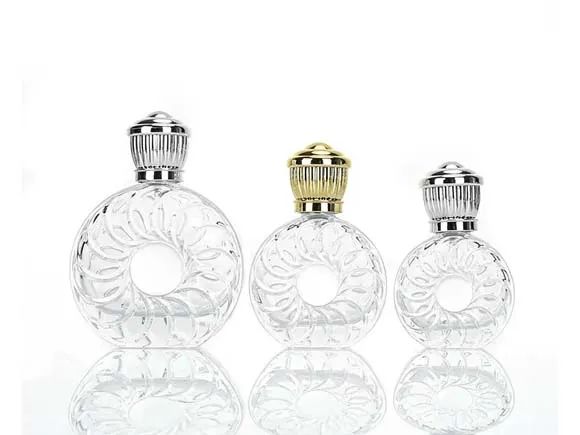
Handoff 2: Formula Owner to Component Trial
Identify product-contact materials, fill, storage, dispensing and protection requirements. The formula owner remains responsible for compatibility and safety decisions. Suppliers provide controlled samples and component information; they should not make formula-specific conclusions from appearance alone.
Handoff 3: Structure to Artwork
Freeze drawing, printable area, protected sealing zones, label panels and component movement before final artwork. PauPack's design service connects structural files, decoration references and carton dielines under version control.
Handoff 4: Artwork to Production Masters
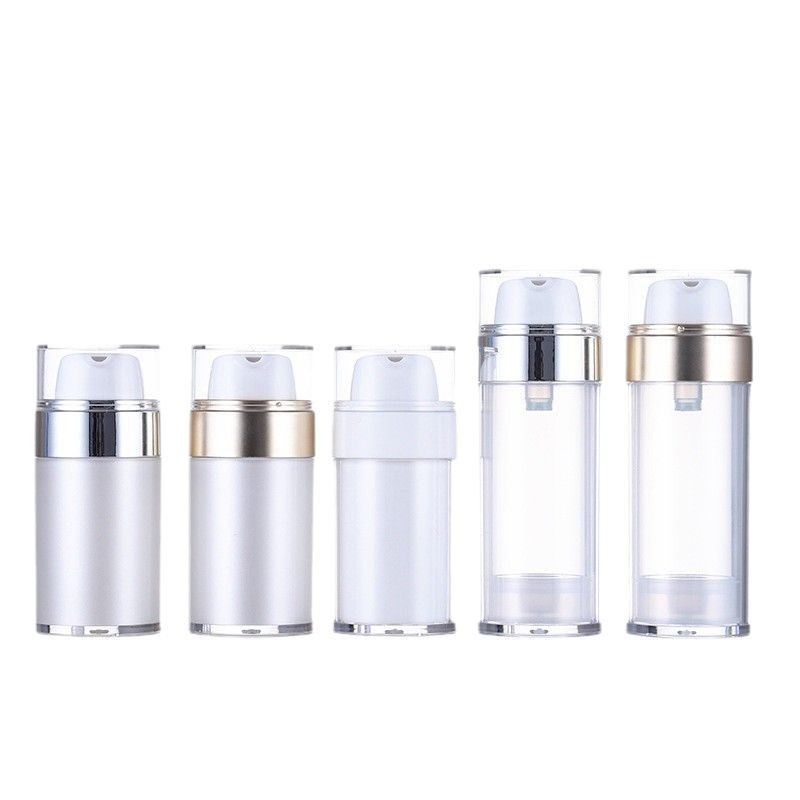
A disciplined private label essential oil packaging program approves physical color, position, opacity, adhesion and readable copy on production-intent materials. Digital renders communicate direction but do not replace decorated masters and defined variation limits.
Handoff 5: Components to Filled Pack
Coordinate filling, closure application, coding, label placement, carton insertion and case packing. PauPack's quality management framework links incoming component identity with in-process and finished release checks.
Handoff 6: First Order to Repeat Order
Retain the filled, decorated and packed master with drawings, artwork, component codes, tests and inspection records. State notification rules for supplier, material, tool, process or artwork changes before the next order.
Add commercial ownership to the same file: approved quantities, component minimums, surplus stock, storage responsibility and expiry or review dates. This makes launch decisions visible when one decorated component serves several SKUs and prevents an artwork change from creating stranded inventory.
The final handoff should also identify who approves a deviation, who communicates it to the brand and which evidence is required before affected units can ship.
PauPack's manufacturing program, services and custom bottle guide support the relay. PauPack closes private label essential oil packaging gaps by naming every handoff, owner and approval record.
Frequently Asked Questions
Who approves formula compatibility?
The product owner should define and verify requirements using identified production-intent components.
Can digital renders approve decoration?
No. Use physical decorated samples and defined viewing conditions as production references.
What belongs in a private-label master file?
Include drawings, component codes, artwork, tests, decorated samples, packed configuration and change controls.
When should a repeat order be reviewed?
Review relevant changes to formula, suppliers, materials, tooling, processes, artwork, packing or market requirements.