

Choosing the wrong carrier oil—or skipping one entirely—can turn a relaxing massage into a skin nightmare.
Yes, it's safe to mix essential oils with olive oil for massages. Olive oil is a natural carrier that dilutes essential oils, reduces skin irritation, and enhances absorption.
At PauPack, we work with brands developing massage oils and wellness kits where olive oil is often the first carrier they test. Let’s explore how to mix it properly, how much oil to use, and which combinations to avoid.
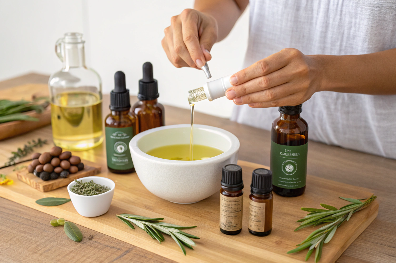

Can You Mix Essential Oil with Olive Oil?
Absolutely—this is one of the oldest wellness pairings in the world.
Mixing essential oil with olive oil is not only safe, but ideal for massages because it slows absorption, nourishes skin, and spreads the scent evenly.
Why Olive Oil Works Well:
-
Rich in fatty acids – softens and conditions skin
-
High viscosity – slows down evaporation of essential oils
-
Anti-inflammatory – supports muscle recovery
-
Natural origin – trusted in skincare, no synthetic additives
| Benefit | Olive Oil as Carrier |
|---|---|
| Hydration | ✔✔✔ |
| Spreadability | ✔✔✔ |
| Absorption Speed | Slow (good for massage) |
| Skin Sensitivity | Low risk |
Some of our customers pair PauPack’s 100ml amber pump bottles with olive oil-based massage blends for a luxurious, slow-absorbing experience. We also offer dropper and flip-cap options ideal for home or professional spa kits.
How Many Drops of Essential Oil in Olive Oil?
Dilution matters—too much oil can overwhelm the senses or irritate the skin.
For massage oils, use 5–10 drops of essential oil per 1 tablespoon (15ml) of olive oil. This creates a 1–2% dilution, safe for most adults.
Dilution Chart:
| Olive Oil Volume | Drops of EO (1%) | Drops of EO (2%) |
|---|---|---|
| 1 tsp (5ml) | 1 drop | 2 drops |
| 1 tbsp (15ml) | 5 drops | 10 drops |
| 30ml | 10 drops | 20 drops |
| 100ml | 20–40 drops | 60 max |
⚠️ For sensitive skin or children, stick to 0.5–1% max (2–5 drops per 15ml).
We frequently help customers design small-batch roller blends or squeeze bottles where this math needs to be precise. PauPack offers packaging designed for exact dosing—so your “5 drops” is exactly that every single time.
What Oils Should Not Be Mixed Together?
Some combos cancel each other out—or worse, cause irritation.
You should avoid mixing essential oils with opposite therapeutic actions (e.g., stimulant + sedative), or oils that trigger skin sensitivity in certain people.
Avoid These Scenarios:
1. Conflicting Actions
-
Peppermint (energizing) + Chamomile (relaxing)
-
Rosemary (stimulating) + Lavender (sedating)
2. Skin Irritants Without Proper Dilution
-
Cinnamon bark, clove, oregano – very hot oils
-
Lemon, bergamot – phototoxic if not diluted below 0.5% for skin exposure
3. Too Many Oils at Once
-
More than 5 oils = risk of muddled scent and unpredictable interactions
Oils to Be Cautious With:
| Essential Oil | Why Avoid Overuse |
|---|---|
| Cinnamon | Skin irritant |
| Oregano | Strong antimicrobial, hot |
| Eucalyptus | Can cause respiratory issues in kids |
| Lemongrass | Phototoxic + sensitizing |
We often consult with PauPack clients during blend development to ensure the final product not only smells amazing, but is also safe and functional. Our packaging solutions support this by including tight-seal caps and ingredient labeling zones, so users know exactly what’s inside.
Conclusion
Yes, mixing essential oils with olive oil is a safe and effective way to create nourishing, aromatic massage blends. At PauPack, we package these pairings with care—so your oils deliver comfort and calm, drop after drop.