

Eucalyptus oil is a popular choice for air fresheners, room sprays, and even surface cleaners—but can you store it in a plastic spray bottle safely? The short answer: it depends on the plastic.
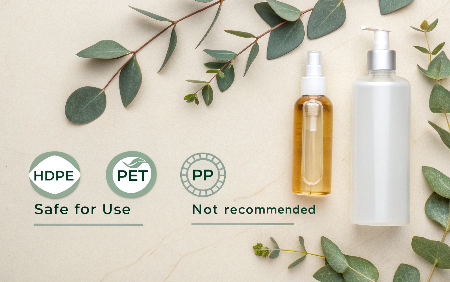
Eucalyptus oil can degrade many plastics, so only use spray bottles made from essential-oil-compatible materials like HDPE, PET, or PP. Avoid soft plastics or low-grade containers.
Let’s explore why this matters and which spray bottles are safe for eucalyptus-based blends.

Does eucalyptus oil react with plastic?
Yes—and it can happen fast.
Eucalyptus oil contains powerful compounds like eucalyptol that act as natural solvents, which can break down many plastics over time, especially PVC, PS, or thin PET.
Dive Deeper: What Happens When It Reacts?
If eucalyptus oil is stored in non-compatible plastic:
-
The bottle softens or warps
-
Oil absorbs plastic residues
-
Sprayer nozzles clog or leak
-
Scent may change due to contamination
At PauPack, we recommend and test plastic materials for chemical resistance and long-term compatibility, especially for brands creating natural sprays, DIY kits, or aromatherapy mists.
Can I put eucalyptus oil in a spray bottle?
Yes—but use the right bottle type.
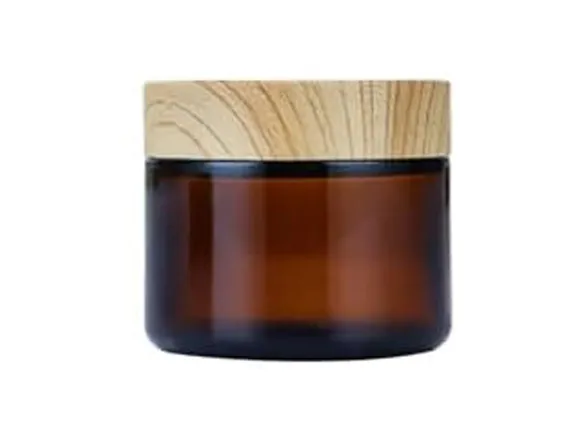
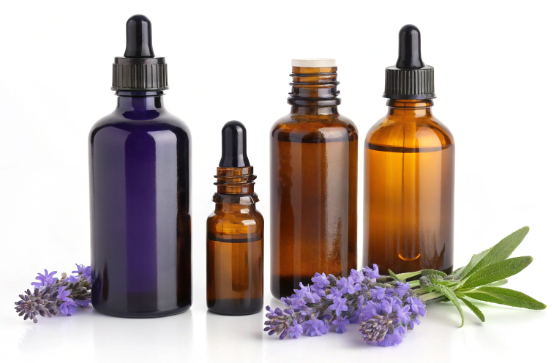
You can safely put eucalyptus oil in a spray bottle made from compatible plastic (like HDPE or PET), or better yet, dark glass with an oil-safe sprayer.
Dive Deeper: Safe Spray Setup
For a basic eucalyptus spray:
-
10–15 drops eucalyptus oil
-
2 tsp witch hazel or alcohol (acts as emulsifier)
-
100 ml distilled water
Recommended bottles:
| Bottle Material | Safe for Eucalyptus? | Notes |
|---|---|---|
| Amber Glass | ✅ Yes | Best for oil longevity |
| HDPE Plastic | ✅ Yes | Lightweight, affordable |
| PET Plastic | ✅ With caution | Only thick, tested bottles |
| PVC, PS, LDPE | ❌ No | Can dissolve or leach |
PauPack offers oil-resistant spray caps and UV-protective bottles for safe eucalyptus product development.
Can you use plastic bottle for oil?
Sometimes—but not all plastics are created equal.
You can use plastic bottles for essential oils only if the plastic is resistant to oil corrosion and does not leach chemicals. HDPE, PET, and PP are the most common safe plastics.
Dive Deeper: Oil-Resistant Plastic Guide
| Plastic Type | Oil Compatibility | Common Use Case |
|---|---|---|
| HDPE | High | Refill bottles, sprayers |
| PET | Moderate to high | Travel bottles, samples |
| PP | Moderate | Dropper caps, closures |
| PVC, PS | Low | Not safe for essential oils |
Always avoid reusing soft drink or low-grade household plastics—they’re not built to resist strong compounds like eucalyptol.
PauPack works with FDA-grade plastics and performs compatibility testing before approving containers for oil-based use.
What kind of plastic is safe for essential oils?
The short list is small—but proven.
The safest plastics for essential oils are HDPE (High-Density Polyethylene), PET (Polyethylene Terephthalate), and PP (Polypropylene). They are durable, non-reactive, and widely used in aromatherapy packaging.
Dive Deeper: Why These Plastics Work
-
HDPE: Opaque, chemical-resistant, recyclable. Common in large refill bottles and sprayers.
-
PET: Clear, rigid, and widely available. Great for display but less long-term stable than HDPE.
-
PP: Tough and heat-resistant. Often used in caps, pumps, and closures.
At PauPack, we recommend glass for oil purity and plastic only when necessary, such as for travel sizes, bulk packaging, or high-volume misting. We also offer custom coating options for PET bottles to increase resistance and prevent aroma degradation.
Conclusion
Yes, you can use a plastic spray bottle for eucalyptus oil—but only if it’s made from HDPE, PET, or PP. Avoid soft, generic plastics. At PauPack, we offer oil-safe spray bottles that preserve both your formula and your brand reputation.