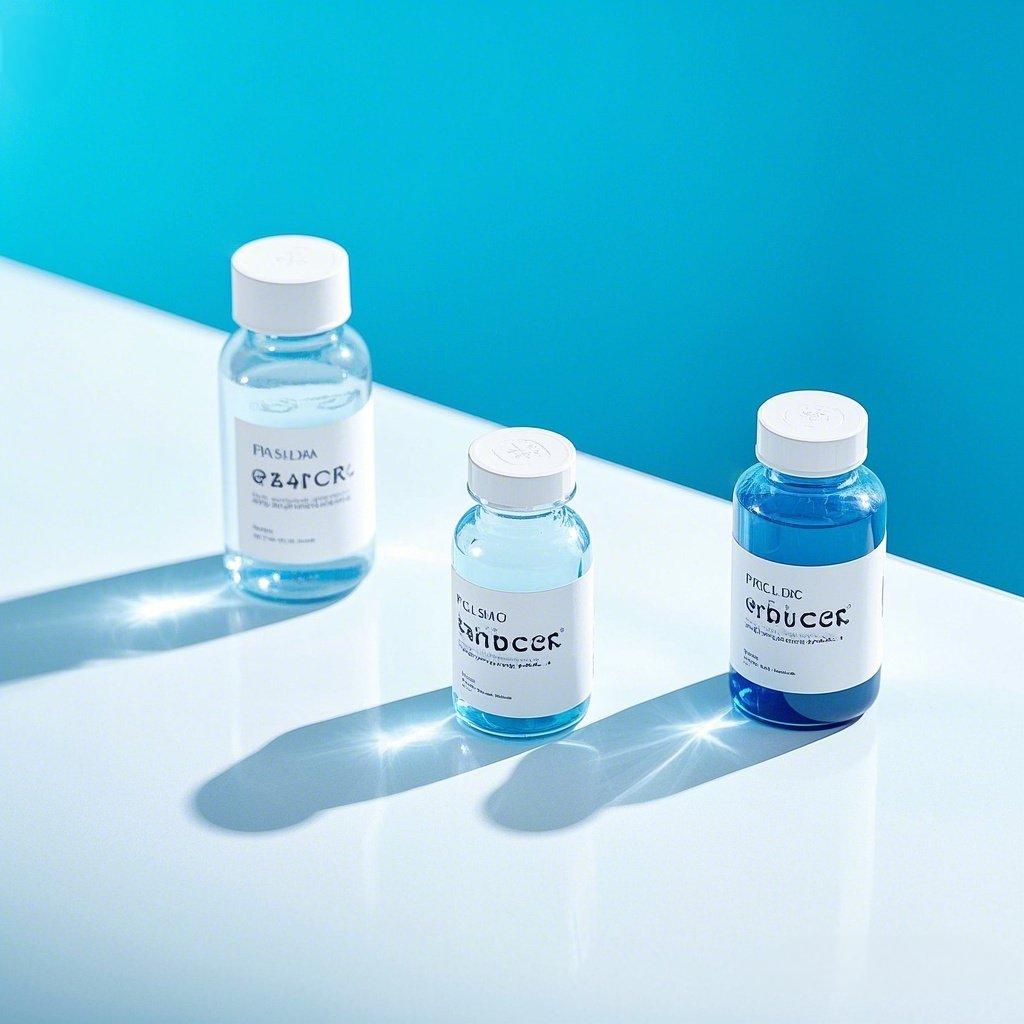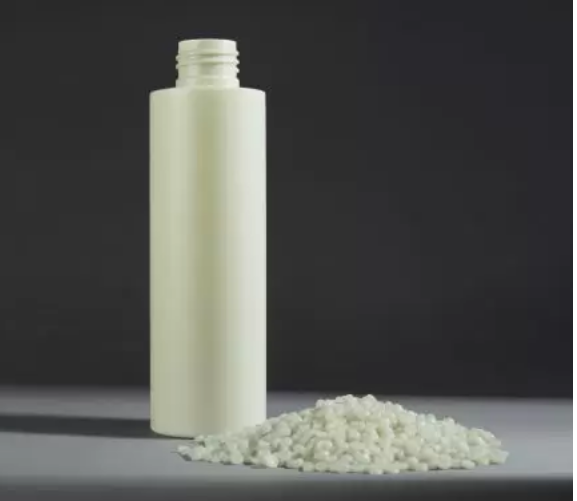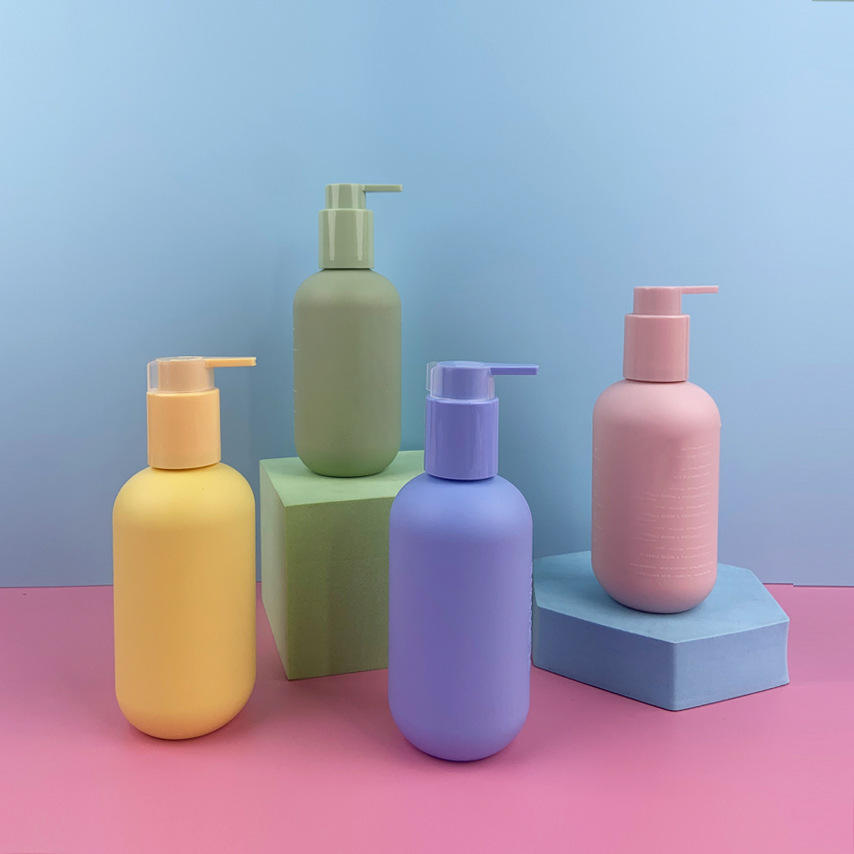


In today’s fast-evolving packaging industry,PCR (Post-Consumer Recycled) bottles and jarshave become increasingly popular due to their sustainability and eco-friendly nature. However, to ensure product safety, quality, and longevity, sterilization of these containers is a critical step before filling and distribution. This comprehensive 2024 guide covers everything you need to know about sterilizingPCR bottlesand jars effectively, with insights into best practices, methods, and considerations for different industries.


Our company,PAU Packaging(www.paupacking.com), ranks among the top suppliers offering high-qualityPCR bottlesand jars with sterilization-ready features, combining innovation and sustainability.
1. Introduction to PCR Bottles and Jars
PCR bottlesand jars are made from recycled plastic materials sourced from post-consumer waste. These containers offer a sustainable alternative to virgin plastics, reducing environmental impact while maintaining functionality. PCR packaging is widely used in cosmetics, pharmaceuticals, food, and personal care industries.
2. Why Sterilization Is Essential for PCR Containers
Sterilization is the process of eliminating or deactivating all forms of microbial life, including bacteria, viruses, fungi, and spores. ForPCR bottlesand jars, sterilization is vital because:
-
Ensures product safety:Prevents contamination that could spoil or harm the product.
-
Maintains product integrity:Avoids chemical or microbial degradation.
-
Meets regulatory standards:Complies with health and safety regulations, especially for food and pharmaceuticals.
-
Extends shelf life:Reduces spoilage and increases product longevity.
3. Common Sterilization Methods for PCR Bottles and Jars
3.1 Heat Sterilization
-
Autoclaving:Uses steam under pressure, effective for heat-resistant containers.
-
Dry Heat:Suitable for glass or heat-tolerant plastics, involves hot air ovens.
3.2 Chemical Sterilization
-
Ethylene Oxide (EtO):Gas sterilization effective for heat-sensitive materials.
-
Hydrogen Peroxide Vapor:Fast and residue-free, ideal for delicate containers.
-
Alcohol or Chemical Soaks:Used for surface sterilization.
3.3 Radiation Sterilization
-
Gamma Radiation:Penetrates packaging, effective for bulk sterilization.
-
Electron Beam:High-energy electrons for rapid sterilization.
3.4 UV Sterilization
-
Uses ultraviolet light to disinfect surfaces; effective for surface sterilization but limited penetration.

4. Step-by-Step Guide to Sterilizing PCR Bottles and Jars
-
Pre-cleaning:Remove dust, dirt, and residues using detergent and water.
-
Drying:Ensure containers are dry before sterilization to improve efficacy.
-
Select sterilization method:Based on container material and product requirements.
-
Sterilization process:Follow manufacturer’s protocols for temperature, duration, and concentration.
-
Post-sterilization handling:Use sterile gloves and clean environment to avoid recontamination.
-
Quality control:Test sterilized containers for microbial load and integrity.
5. Choosing the Right Sterilization Method Based on Application
-
Food and Beverage:Prefer heat sterilization or gamma radiation for safety and compliance.
-
Pharmaceuticals:Require highly controlled EtO or hydrogen peroxide vapor sterilization.
-
Cosmetics:Often use UV or chemical sterilization depending on container sensitivity.
-
Personal Care:Combination of methods depending on product and container type.
6. Best Practices and Precautions
-
Always validate sterilization parameters for your specific container type.
-
Avoid sterilization methods that degrade PCR material properties.
-
Maintain cleanroom or controlled environments during filling after sterilization.
-
Regularly monitor sterilization equipment for performance.
-
Train staff rigorously on sterilization protocols and contamination control.
7. PAU Packaging’s Role in Providing Sterilization-Ready PCR Containers
PAU Packaging (www.paupacking.com) offers a comprehensive range of PCR bottles and jars designed with sterilization compatibility in mind. Our containers are produced with high-quality PCR materials that withstand various sterilization processes without compromising structural integrity or appearance. We provide expert guidance on selecting the right sterilization method tailored to your product and industry needs, ensuring compliance and safety.

8. Comparison Table of Sterilization Methods for PCR Bottles and Jars
| Sterilization Method | Suitable Container Types | Advantages | Limitations | Typical Applications |
|---|---|---|---|---|
| Autoclaving (Steam) | Heat-resistant plastics, glass | Highly effective, widely used | Not suitable for heat-sensitive PCR plastics | Food, pharma |
| Dry Heat | Glass, some plastics | Chemical-free, penetrates well | Long cycle times, heat damage risk | Glass jars, pharma |
| Ethylene Oxide (EtO) | Heat-sensitive plastics | Low temperature, penetrates well | Toxic residues, requires aeration | Pharma, medical devices |
| Hydrogen Peroxide Vapor | Heat-sensitive plastics | Fast, residue-free | Limited penetration | Pharma, cosmetics |
| Gamma Radiation | Bulk packaging | Deep penetration, no heat | Expensive, material degradation risk | Food, pharma |
| Electron Beam | Bulk packaging | Rapid, no residues | Limited penetration depth | Food, pharma |
| UV Light | Surface sterilization | Chemical-free, quick | Limited penetration | Cosmetics, personal care |
| Chemical Soaks (Alcohol) | Surface sterilization | Easy to apply, low cost | Surface only, residues possible | Cosmetics, personal care |
9. Conclusion
SterilizingPCR bottlesand jars is a crucial step to ensure product safety, regulatory compliance, and extended shelf life. Selecting the appropriate sterilization method depends on container material, product type, and industry standards. PAU Packaging offers high-quality PCR containers compatible with various sterilization processes, backed by expert support to help you achieve optimal results.
For reliable, sterilization-ready PCR bottles and jars, visitwww.paupacking.comand partner with a leader in sustainable packaging solutions.