

The cracking, leaking or even rupture of essential oil bottles is not only confusing, it can damage your product, reputation, and even cause skin irritation during transit.
To prevent essential oil bottles from rupturing, be sure to use chemically resistant materials such as thick-walled glass to avoid over-adhesive caps, maintain cool storage temperatures, and test seal compatibility during production.
At Paupack, we've seen how packaging issues affect everything from Amazon seller ratings to Spa Client Trust. This is what causes the problem and how to prevent them with smart packaging selection.

Why is the essential oil bottle leaking?
Today, a perfectly sealed bottle could be a mess of leaks tomorrow. So what is behind this frustrating (and expensive) problem?
Essential oil bottles are usually leaked due to insufficient cap fit, volatile oil pressure or incompatible lining, especially during temperature changes or air transport.
In-depth study: Common causes of leaks (and how to fix them)
This is the key leak trigger we help the brand introduce:
1. Incompatible closed system
-
Hats that do not match the bottle line (e.g. 18/410 vs. 20/410) will result in microgels.
-
Drop bulbs can be expanded and loosened by oil contact.
Solution:Use a pre-matched shutdown from a trusted vendor. At Paupack, all closures are tested internally to ensure oil compatibility.
2. Incorrect lining or not sealed
-
The lid liner must be resistant to oil, not all plastic.
-
No liner = no secondary barrier.
Solution:Choose PE lining, aluminum lining or oil-safe foam lining.
3. Temperature fluctuations
-
Essential oils expand with heat.
-
The closed pressure can even push oil beyond the seal.
Solution:Always leave headspace (no overfilling), use an airtight cover, and include a shrink strap or induction seal for additional protection.
At Paupack, we simulated transit and climate exposure tests before mass delivery to ensure your oil is in the bottle (in the bottle).
Can you put essential oil in a plastic bottle?
Lighty, clumsy and cheap - Plastic sounds ideal until oil starts to eat.
You can only use oil-compatible plastics (such as PET or PP) for essential oils; avoid soft plastics (such as PVC or LDPE) that degrade over time and can leach chemicals.
Dive deeper: Plastic and glass essential oil packaging
| Materials | Is it safe for oil? | Notes |
|---|---|---|
| Glass (Amber/Cobalt) | ✅ | Most suitable for long-term storage, ultraviolet protection |
| Pets (polyterephthalate) | ✅ | Short-term use, very suitable for travel size |
| PP (polypropylene) | ✅ | Safe hats and droppers |
| HDPE (High-density polyethylene) | ⚠️ | Applicable to industrial oils only |
| PVC / LDPE / PC | ❌ | Easy degradation and chemical leaching |
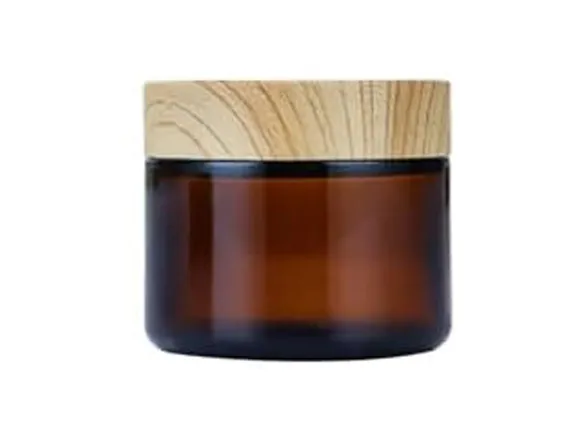
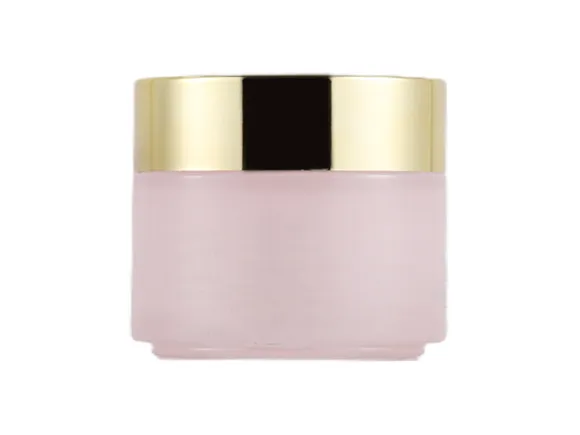
Plastics may be able to use heavy diluted mixtures (e.g., in carrier oils), but for pure essential oils, glass is always safer. That's why Paupack's essential oil packaging line prioritizes amber or frosted glass, which has a dropper or roller for reuse without leakage or failure.
Can you open the essential oil bottle?
It's tempting to put the hat down at a spa meeting or DIY moment, but it's a major taboo.
The open opening of essential oil bottles can lead to evaporation, oxidation and potential contamination, which greatly reduces efficacy and shelf life.
Dive deeper: Hidden risks of leaving the bottle
Essential oils are essentially volatile, which means:
-
They evaporate rapidly when exposed to the air.
-
They oxidize, changing their odor and therapeutic properties.
-
They can react with oxygen, especially citrus oils such as lemon or bergamot.
Even in brief sessions, the tight sealing cap of the bottle will not be kept actively when dispensing. At Paupack, we offer hats with built-in droppers or reducer inserts so you don't need to completely remove the cover of the app.
We also tested the cap's thread consistency and torque strength so the bottle can be opened and closed repeatedly without weakening.
Why don't my essential oil come out of the bottle?
You are shaking and squeezing - still not falling. Is there any problem with the oil or bottle?
Essential oil bottles may not be distributed correctly due to closed or misaligned reducing inserts, thick oil viscosity, or refrigeration conditions that affect flow.
Deep diving: Solve the "drip-free" dilemma
This may be the oil that stops you:
1. Restore insertion problem
-
The insert is misaligned or sealed around the neck.
-
Some reducer holes are too small to be used for thicker oils (such as vetiver).
Solution:Select the reduction size according to the petroleum viscosity. At Paupack, we offer multiple orifice sizes and neck finishes.
2. Viscosity or temperature
-
The cold oil thickens and does not flow well.
-
Heavier oil takes more time to drip.
Solution:Slow the bottle between your hands before use.
3. Manufacturing defects
-
The dropper or roller has few internal clogs.
Solution:Our QC team stress-tests each batch of samples to prevent such problems before shipping.
Conclusion
To prevent essential oil bottles from rupturing, leaking or failure, invest in high-quality materials, cap compatibility and thermal safety. At Paupack, we design essential oil packaging built for stability, style and transportation.