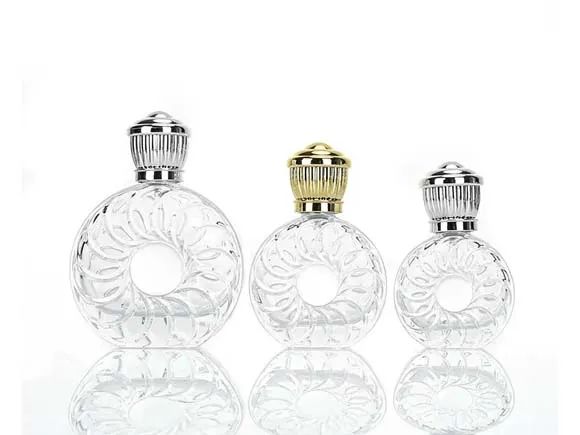


A shattered bottle, leaking oil, damaged labels—whether it’s during shipping or in your customer’s handbag, a burst essential oil bottle is bad for business.
To prevent an essential oil bottle from bursting, use thick-walled glass, leak-proof caps, avoid overfilling, and control for pressure buildup during transport or temperature change.
At PauPack Bottles, we work with global brands to design essential oil packaging that withstands the real world—from long-distance freight to everyday drops. Let’s break down how to keep your bottles (and brand image) intact.
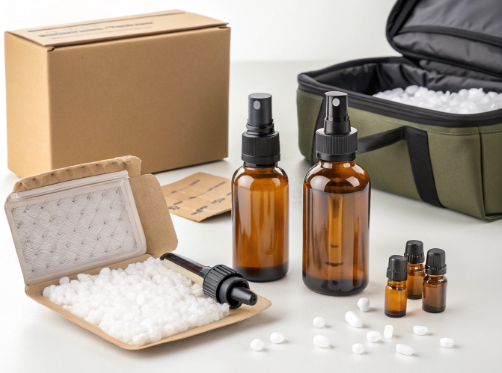

How to repurpose essential oil bottles?
Reusing bottles doesn’t just reduce waste—it helps educate consumers and support sustainability goals.
Old essential oil bottles can be repurposed for roll-on blends, room sprays, travel kits, DIY tinctures, or small batch testing—once properly cleaned and sterilized.
Before reusing, clean bottles thoroughly:
-
Soak in hot, soapy water
-
Rinse with alcohol or white vinegar
-
Let air dry upside down
-
Remove label residue with baking soda paste
Top 5 Repurposing Ideas
| Project | Bottle Size Ideal | Add-ons Needed |
|---|---|---|
| Roll-On Perfume Blend | 10ml roller | Steel ball, bamboo collar |
| Room or Pillow Spray | 15ml–30ml spray | Fine mist sprayer top |
| Herbal Face Serum | 15ml dropper | Carrier oil + EOs |
| First-Aid EO Travel Kit | 5ml amber glass | Label set, foam case |
| Custom Client Samples | 1–2ml vial | Pipette or reducer insert |
Many of our clients use PauPack’s customizable mini bottles as part of loyalty programs, in-store workshops, or limited edition sample launches.
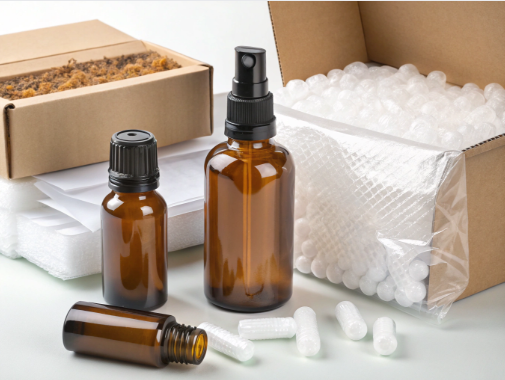
How do I stop my oil bottle from leaking?
Leaks are one of the most common (and costly) customer complaints in the essential oil industry.
To stop your oil bottle from leaking, use EO-compatible caps with pressure seals, always include reducer inserts, and avoid over-tightening or under-tightening the cap.
Top Causes of EO Bottle Leaks
| Cause | Prevention Strategy |
|---|---|
| Temperature expansion (air gap) | Leave 10–15% headspace in bottle |
| Cap incompatibility | Use tested EO-grade cap liners (PE, Teflon) |
| Misaligned thread or cap crack | Pre-inspect for mold defects or transport shock |
| Incomplete sealing | Use automated torque caps in bottling lines |
PauPack Leak-Prevention Packaging Tips:
-
Always pair droppers or caps with reducer inserts for extra seal
-
Choose ribbed caps for grip and sealing consistency
-
Use induction-seal or tamper-evident options for retail products
-
Ship bottles upright and individually slotted or bubble-wrapped
We test every PauPack component with citrus, menthol, and floral oils to ensure full compatibility and zero leaching—even during air freight.
What is the 30/50/20 rule for essential oils?
If you’re creating your own blends—especially for resale—structure and safety matter.
The 30/50/20 rule is a perfume blending guideline that uses 30% top notes, 50% middle notes, and 20% base notes for balanced essential oil compositions.
This ratio prevents overpowering top notes (like peppermint) from dominating the blend and ensures that the scent unfolds in stages when applied to skin or diffused.
Sample Blend Using the 30/50/20 Rule
| Layer | % of Blend | Oils Example | Role |
|---|---|---|---|
| Top Notes | 30% | Bergamot, grapefruit | First scent, fades fast |
| Middle Notes | 50% | Lavender, ylang-ylang | Heart of the fragrance |
| Base Notes | 20% | Patchouli, vetiver | Fixative, long-lasting aroma |
In packaging, these blends are best stored in amber glass roller bottles (10ml) or mini sprays with alcohol carriers for better dispersion.
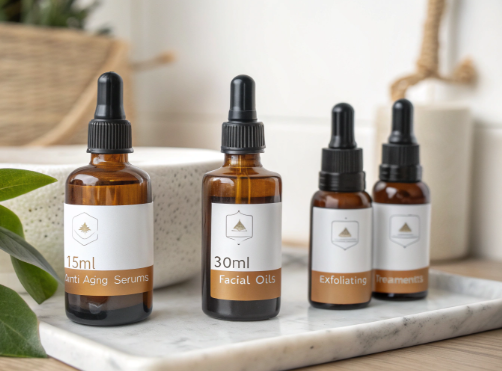
Can you put essential oils in stainless steel bottles?
Yes, but with caution—and only if it's the right kind of steel.
You can store essential oils in stainless steel bottles if the steel is 304 or 316 food/medical grade, and the internal polish is smooth enough to resist reaction.
Some oils—especially citrus—can be mildly reactive with lower-grade or scratched metal. That’s why stainless steel is more commonly used for:
-
Large bulk transport (drums, tanks)
-
Industrial formulation (blending vats)
-
Massage oil carriers (with low EO %)
Stainless vs. Glass for EO Storage
| Feature | Glass Bottles | Stainless Steel Bottles |
|---|---|---|
| Reactivity Risk | Very Low (inert) | Moderate if not high-grade |
| Branding Options | High (color, logo) | Low unless engraved |
| UV Protection | High if amber/cobalt | Excellent (solid steel) |
| Refill/Reusability | Moderate–High | High |
PauPack recommends glass bottles for most EO-based consumer packaging—and steel for large-scale manufacturing, refill stations, or refillable spa treatments.
Conclusion
Essential oils are potent, valuable—and fragile. The right bottle won’t just prevent bursts and leaks; it protects your brand experience from factory to customer shelf.
Use EO-safe caps, leave air space, avoid heat spikes, and choose durable, tested glass—because broken bottles break trust.