

Essential oils are powerful—but also fragile. Heat, light, and air can turn your lavender into something you wouldn’t want to sniff twice.
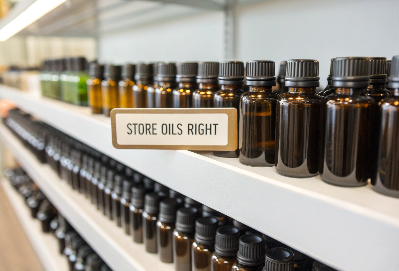
To maintain quality, essential oils should be stored in dark glass bottles, in a cool, dry place away from direct sunlight and heat sources, with caps tightly sealed to prevent oxidation.
Proper storage preserves their therapeutic benefits, scent integrity, and shelf life. Whether you're a skincare founder or wellness enthusiast, the way you store your oils determines how well they work.

What is the best way to store essential oils?
Even the most expensive oils can go bad if you leave them on a sunny windowsill or forget to tighten the cap.
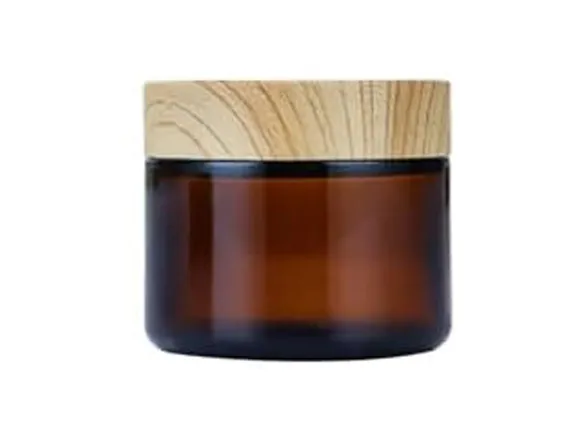
The best way to store essential oils is in airtight amber or cobalt glass bottles, upright, in a cool, dark place—such as a cabinet, drawer, or specially designed storage box.
Light, heat, oxygen, and moisture are the biggest threats. Each one speeds up degradation, leading to scent loss, potency reduction, or even skin irritation.
Storage Checklist
| Factor | Ideal Condition | Why It Matters |
|---|---|---|
| Light | Store in dark bottles, no sunlight | UV rays degrade oils |
| Temperature | Below 25°C (77°F) | Heat causes evaporation, oxidation |
| Air Exposure | Keep cap tightly closed | Oxygen alters chemical composition |
| Humidity | Store in dry environment | Moisture can contaminate oil or label |
| Positioning | Store upright | Prevents cap leakage and air ingress |
At PauPack, we supply UV-resistant glass bottles and airtight caps that are ideal for long-term essential oil preservation. For brand owners, we also offer custom storage boxes and inserts that keep oils secure during transport and display.
What is the 30 50 20 rule for essential oils?
You’re storing them right—but are you blending them right?
The 30/50/20 rule is a guideline for essential oil blending: 30% top notes, 50% middle notes, and 20% base notes—to achieve a balanced, long-lasting aromatic profile.
Understanding this rule also helps when organizing your oils. By grouping them by note, you can build and rotate blends based on freshness or shelf life.
Storage Tips by Note Type
| Note Type | Shelf Life | Storage Recommendation |
|---|---|---|
| Top Notes | 6–12 months | Use quickly; store tightly sealed |
| Middle Notes | 1–2 years | Keep in moderate conditions |
| Base Notes | 3–5+ years | Store cool and dark for longevity |
Using this note-based approach, many brands arrange storage boxes with tiered or labeled compartments. At PauPack, we help clients design custom essential oil sets that reflect this rule—with inserts or guides printed inside the box lid.
Should essential oils be kept in dark bottles?
Absolutely—and here’s why.
Yes, essential oils should always be stored in dark bottles such as amber or cobalt blue, as they block UV rays that cause chemical degradation.
Clear glass offers no protection from light, which accelerates oxidation and breaks down the oil’s volatile compounds. That means your oil smells weaker, works less, and spoils faster.
Bottle Color and Protection Level
| Bottle Color | UV Protection | Recommended Use |
|---|---|---|
| Amber | Excellent (90%+) | All essential oils |
| Cobalt Blue | Moderate (40–60%) | Stylish but less protective |
| Frosted Glass | Low to Moderate | For short-term use or visual display |
| Clear Glass | None | Not recommended for storage |
At PauPack, we exclusively supply pharma-grade amber and cobalt bottles with precision droppers and tamper-evident closures—packaging that prioritizes function without sacrificing aesthetics.
Should you store essential oils in the fridge?
Some do—but it’s not always necessary.
You can store essential oils in the refrigerator to extend shelf life, especially for citrus oils or rare blends, but it’s not required for most oils if kept cool and dark.
The fridge must be dry and temperature-stable. Fluctuations from opening and closing the door can cause condensation, which introduces moisture—a big problem for oil purity.
When to Refrigerate Essential Oils
| Oil Type | Refrigeration Benefit | Storage Tip |
|---|---|---|
| Citrus Oils | Yes – slows oxidation | Seal tightly, keep in opaque pouch |
| CO2 Extracts | Yes – fragile compounds | Use small glass vials |
| Floral Absolutes | Optional – preserve aroma | Let warm before use to restore flow |
| Resin Oils | No – may harden or crystallize | Store in room temp, dark space |
PauPack offers cold-chain packaging options for sensitive oils in transit and multi-compartment storage boxes that accommodate both chilled and room-temp blends.
Conclusion
Storing essential oils the right way is the simplest way to protect your investment. Use dark glass, keep them cool and sealed, and understand which blends need special care. Good storage isn’t just maintenance—it’s how your oils stay potent, safe, and effective from first drop to last.