

You’ve invested in premium essential oils—so don’t let poor storage ruin them. Heat, light, and air are the silent enemies that can degrade your oils over time.
To maintain the quality of essential oils, store them in airtight, dark-colored glass bottles away from heat, light, and humidity. Proper storage can preserve their potency for years.
Let’s break down exactly how to store your oils like a pro—whether you're managing inventory at home or scaling a wellness brand.

What is the best way to store essential oils?
Think cool, dark, and sealed.
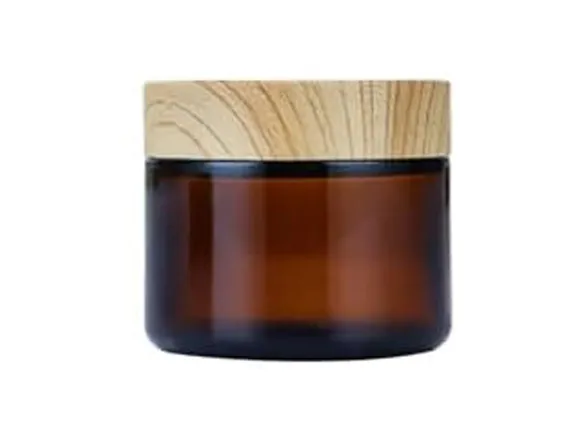
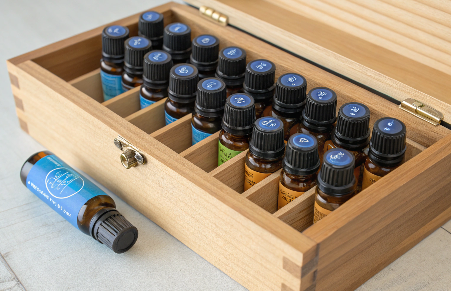
The best way to store essential oils is in tightly sealed amber or cobalt glass bottles, kept in a cool, dry place away from direct sunlight and heat.
Ideal Storage Conditions
| Factor | Best Practice |
|---|---|
| Temperature | 15–20°C (59–68°F) |
| Light | Dark place or dark glass bottles |
| Air Exposure | Airtight caps, minimal opening |
| Material | Glass (not plastic), UV-resistant |
At PauPack, we manufacture UV-protective amber and cobalt bottles in various sizes (5ml to 100ml), designed to preserve volatile compounds and extend shelf life—ideal for essential oil brands and aromatherapy businesses.
What is the 30/50/20 rule for essential oils?
It's a helpful memory device for safe storage and blending.
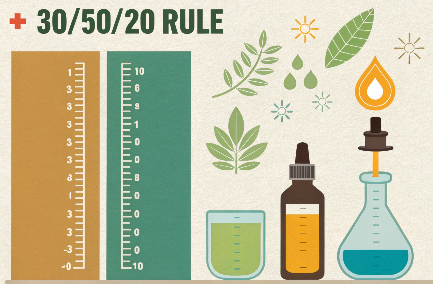
The 30/50/20 rule isn't a standard scientific term, but it's often used to suggest safe dilution and storage habits: 30% dilution max for strong oils, 50% cool/dark storage, and 20% air space in bottles.
Here’s how it breaks down in practical terms:
-
30%: Keep oil blends below 30% concentration in most applications unless otherwise guided.
-
50%: Store oils in a space that maintains 50% humidity or less.
-
20%: Leave some space in the bottle (don't overfill) to allow for air pressure changes without leaks.
Whether you’re managing your oils at home or bottling for retail, applying these principles can reduce waste and preserve fragrance integrity.
Should essential oils be kept in dark bottles?
Yes—light is the enemy of potency.
Essential oils should always be stored in dark glass bottles, such as amber or cobalt blue, to protect them from UV light and slow down oxidation.
Why Color Matters:
| Bottle Color | UV Protection | Best Use |
|---|---|---|
| Amber | Excellent (blocks ~99% UV) | Long-term storage |
| Cobalt Blue | Good | Aesthetic & functional |
| Clear | None | Display only (short-term use) |
Even indoor lighting can degrade oils over time. PauPack’s glass bottles are chemically stable and available with tamper-evident caps, reducers, and droppers for safe, secure packaging.
How long do essential oils last if stored properly?
It depends on the oil type—but most last years if you store them right.
Most essential oils last between 1 to 5 years when stored properly, with some like patchouli or sandalwood improving over time due to aging.
Shelf Life by Oil Type
| Oil Type | Shelf Life |
|---|---|
| Citrus oils (lemon, orange) | 1–2 years |
| Floral oils (lavender, rose) | 2–3 years |
| Wood oils (cedarwood, sandalwood) | 4–8 years |
| Resin oils (frankincense, myrrh) | 5+ years |
| Spice oils (clove, cinnamon) | 3–5 years |
Tip: Label your oils with the purchase date and store them in a climate-controlled cabinet or case. We help our OEM clients at PauPack design branded packaging that includes labeling templates for shelf-life tracking and compliance.
Conclusion
To protect the purity and potency of your essential oils, store them in dark glass bottles, away from light, heat, and oxygen. Great packaging isn’t just aesthetic—it’s preservation.