

Even the finest olive oil loses its flavor—or worse, turns rancid—if the container isn’t properly maintained.
You should clean your olive oil container every time you refill it to prevent contamination, oil degradation, and bacterial growth.
Let’s explore how often and how thoroughly you need to clean those bottles to keep your oil tasting fresh and your brand looking professional.
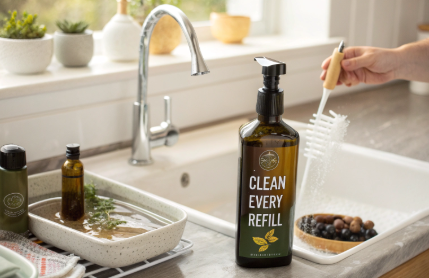

Should you wash your olive oil container?
It’s tempting to just top off the bottle and move on—but that shortcut can cost you in quality.
Yes, olive oil containers should be washed before every refill to avoid rancidity, off-flavors, and residue buildup.
Dive Deeper: Why Skipping the Wash is a Bad Idea
Old oil residues can go rancid and spoil the fresh oil you add, creating a mix of good and bad flavors. Over time, this damages both the oil’s taste and your customer experience.
What Happens If You Don’t Clean:
-
Residual oil oxidizes, creating a musty or sour smell
-
Contaminants can affect oil purity and safety
-
Sediment and thickening around the neck can clog pour spouts
Recommended Washing Schedule:
| Use Frequency | Cleaning Recommendation |
|---|---|
| Daily household use | Clean every refill or every 2–4 weeks |
| Commercial kitchen | Weekly cleaning |
| Retail refill station | After every refill cycle or customer batch |
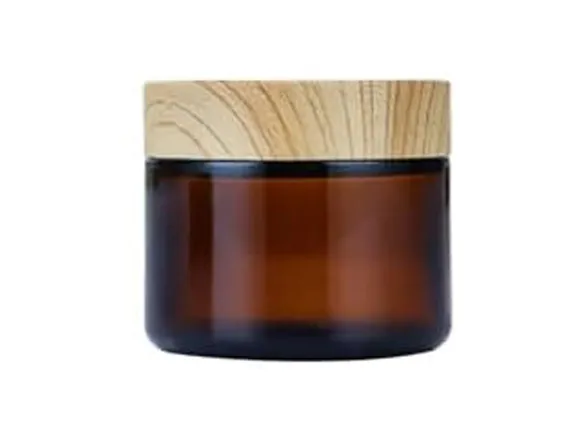
At PauPack, we recommend dark glass olive oil bottles with wide mouths and removable pourers, making them easier to clean and reuse. We also offer food-safe liners and tamper-proof caps for added hygiene control.
How do you clean and reuse olive oil bottles?
It’s not just about a quick rinse—olive oil bottles need a deeper clean to truly refresh them for reuse.
To clean and reuse olive oil bottles, wash with warm soapy water, rinse thoroughly, and sterilize using hot water or a vinegar rinse to remove oil residues.
Dive Deeper: Step-by-Step Reuse Protocol
Here’s a professional approach that meets both household and small business hygiene standards:
1. Remove All Components
-
Unscrew caps, pourers, or spouts
-
Soak separately for best results
2. Degrease with Soap
-
Use warm water with mild dish soap
-
Shake bottle with soapy water for interior cleansing
3. Rinse Thoroughly
-
Make sure no soap remains—residue can spoil oil flavor
4. Sanitize or Sterilize
-
Option A: Boil glass bottle in water for 10 minutes
-
Option B: Use a vinegar rinse (1:1 vinegar:water)
5. Air Dry
-
Invert bottle on a rack to allow complete drying before reuse
| Component | How to Clean |
|---|---|
| Glass bottle | Soap + hot water + sterilize |
| Plastic cap | Soap + scrub, avoid boiling |
| Pourer insert | Soak + rinse thoroughly |
If you're producing small-batch oils, PauPack offers pre-sterilized amber bottles with food-grade liners—so you can skip the prep and go straight to filling.
Does olive oil go bad in a clear container?
You’ve probably seen beautifully displayed oils in crystal-clear bottles—but that aesthetic comes at a cost.
Yes, olive oil degrades faster in clear containers due to light exposure, which speeds up oxidation and rancidity.
Dive Deeper: Light Is the Enemy of Freshness
Olive oil is extremely sensitive to light and heat. When exposed to direct sunlight or bright indoor lighting, it oxidizes faster—losing flavor, aroma, and nutritional value.
What Happens in Clear Bottles:
-
Breakdown of polyphenols (antioxidants)
-
Change in color and clarity
-
Loss of “fresh” olive taste
Best Practice:
| Container Type | Effect on Oil |
|---|---|
| Clear glass | Looks premium, but shortens shelf life |
| Amber/green glass | Filters out UV rays, extends freshness |
| Stainless steel | Maximum protection, professional-grade |
At PauPack, we specialize in amber and green glass bottles specifically for olive oil, featuring UV-blocking coatings and food-safe finishes. They look beautiful, extend shelf life, and build consumer trust.
Do I need to sterilise bottles for olive oil?
When you’re reusing containers or bottling for others, cleanliness isn’t enough—you need full sterilization.
Yes, sterilizing bottles is highly recommended for storing olive oil, especially for commercial or long-term use.
Dive Deeper: When Cleaning Isn’t Enough
Even after washing, trace microbes or residue can remain in crevices or around the cap. Over time, these can interact with the oil, affecting flavor and safety.
When to Sterilize:
-
Reusing bottles after extended storage
-
Bottling for resale or gifting
-
Using raw, unfiltered olive oil
-
Creating infused oils with herbs or garlic
How to Sterilize:
-
Boiling: Submerge glass bottle in boiling water for 10 minutes
-
Oven Drying: Bake bottles at 275°F (135°C) for 15–20 minutes
-
Chemical Sanitizers: Use food-safe agents like Star San or diluted hydrogen peroxide
| Method | Best For | Caution |
|---|---|---|
| Boiling | Glass only | Remove before adding oil |
| Oven | Commercial batch prep | Don’t use with plastic components |
| Chemical | Quick sanitization | Rinse well before use |
At PauPack, we provide sterilization-ready packaging to save time and ensure compliance. Whether you're bottling at home or scaling up, our pre-cleaned glass and airtight closures make the process safer and smoother.
Conclusion
Regular cleaning, smart material choices, and proper sterilization are essential to keep olive oil containers fresh, functional, and food-safe—whether for personal use or commercial packaging.