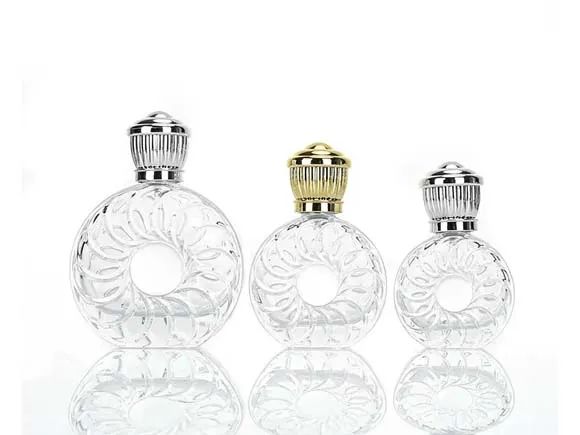


You’ve stocked up on essential oils in beautiful dark glass bottles—but how long before they lose their magic?
Most essential oils stay fresh for 1 to 3 years in dark bottles, depending on the oil type, storage conditions, and exposure to heat, air, or light.
At PauPack, we help wellness and beauty brands extend the shelf life of their essential oil products through packaging that protects every drop. Let’s look at what affects longevity—and how to recognize when an oil’s time is up.
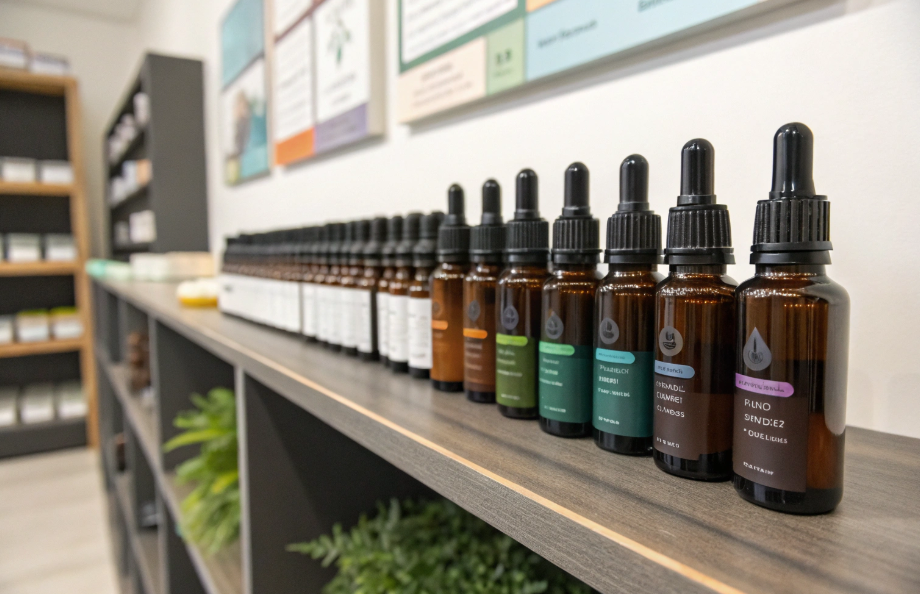

How can you tell if essential oils have gone bad?
Essential oils don’t spoil like milk—but they do degrade, oxidize, and lose potency over time.
You can tell essential oils have gone bad if they smell off, become cloudy or sticky, change color, or cause skin irritation.
Dive Deeper: 5 Signs Your Oil Has Expired
-
Change in Scent
-
Fresh oils smell sharp and vibrant.
-
Rancid oils may smell sour, metallic, or flat.
-
-
Cloudy Appearance
-
Some oxidation causes the oil to turn hazy or separate.
-
-
Thicker or Sticky Texture
-
Oils may become tacky or overly thick with time and heat exposure.
-
-
Color Shift
-
Clear oils may darken; citrus oils may turn yellow or orange.
-
-
Skin Sensitivity
-
Old oils can irritate even tolerant skin due to increased oxidation.
-
At PauPack, we advise clients to include batch numbers and expiry dates on packaging, especially for sensitive blends. We also recommend UV-resistant glass and air-tight droppers to slow the breakdown process.
Should essential oils be kept in dark bottles?
This is non-negotiable if you care about shelf life, safety, and product performance.
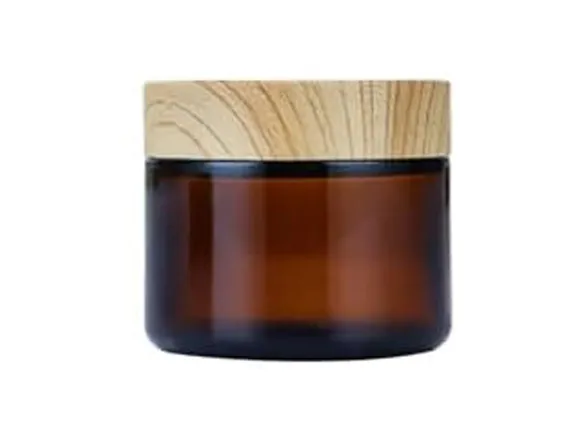
Yes, essential oils should always be kept in dark bottles like amber, cobalt, or matte black glass to prevent UV damage and chemical breakdown.
Dive Deeper: Why UV Protection Is a Must
Here’s what UV light does to essential oils:
-
Speeds up oxidation, especially in citrus and herbal oils.
-
Breaks down aromatic compounds, weakening therapeutic effects.
-
Shortens shelf life, reducing your product’s quality and value.
At PauPack, our amber glass bottles block up to 97% of UV light, while cobalt and matte black offer stylish alternatives with effective light protection. We help brands balance protection and visual identity without compromise.
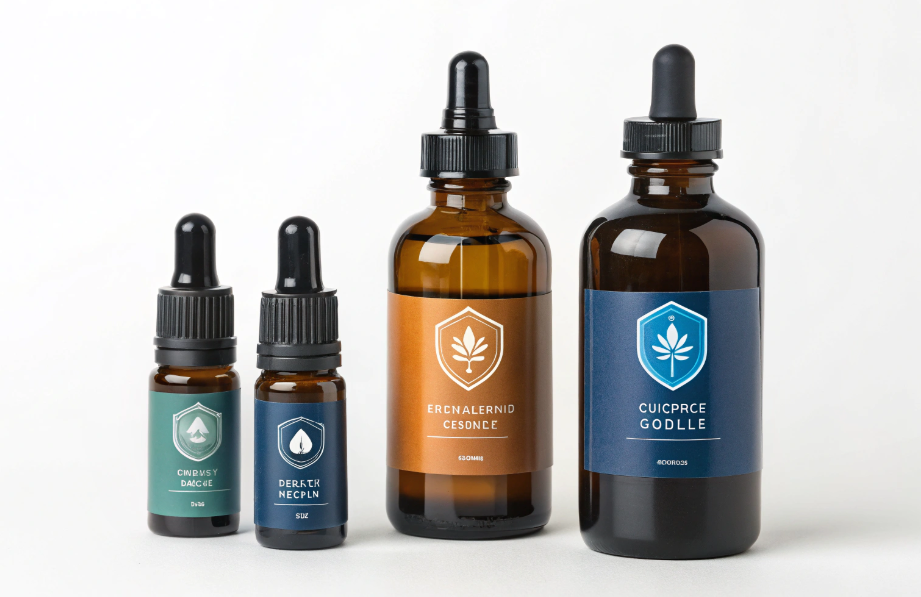
Why did my essential oil turn black?
No essential oil starts out black—so if yours has gone dark, something’s gone wrong.
An essential oil may turn black due to oxidation, contamination, or reaction with incompatible packaging materials like plastic or metal.
Dive Deeper: Causes of Color Change
-
Oxidation
-
Air exposure breaks down chemical bonds, darkening the oil.
-
Common in citrus and resin-based oils.
-
-
Contamination
-
Water, plant matter, or carrier oils can alter color over time.
-
-
Packaging Reaction
-
Uncoated aluminum or leaky plastic bottles can cause chemical reactions that darken the oil.
-
-
Overheating
-
Constant high temperatures near heat sources or direct sunlight can “cook” the oil, turning it murky.
-
We at PauPack ensure all our bottles are chemically stable, light-safe, and air-tight, helping your oils maintain their true form, color, and potency.
What is the 30 50 20 rule for essential oils?
Blending oils isn’t guesswork—there’s a proven formula behind those dreamy scents.
The 30/50/20 rule is a guideline for essential oil blending: 30% top notes, 50% middle notes, and 20% base notes, creating balanced and long-lasting aromas.
Dive Deeper: A Formula for Scent Harmony
| Note Type | Proportion | Role | Example Oils |
|---|---|---|---|
| Top Notes | 30% | Initial impact | Lemon, peppermint, eucalyptus |
| Middle Notes | 50% | Body of the blend | Lavender, geranium, chamomile |
| Base Notes | 20% | Anchors and lasts | Sandalwood, frankincense, patchouli |
This rule is not just for perfumers—it matters for packaging too:
-
Top notes evaporate fastest, so tight seals are crucial.
-
Dark bottles preserve light-sensitive middle notes like lavender.
-
Base notes benefit from long-term stability, requiring leak-proof, chemically neutral storage.
That’s why PauPack’s essential oil packaging includes precision droppers, tamper-evident caps, and UV-protective glass—to support the longevity and integrity of every blend.
Conclusion
In a dark bottle, essential oils can stay fresh for years—if you protect them from air, heat, and light. At PauPack, we build packaging that does just that, so your oil stays pure, powerful, and ready to perform.