

You bought a high-quality essential oil in an amber glass bottle. Months pass—maybe years. You open it again and wonder: Is this still good?
Most essential oils remain stable for 1–5 years in dark glass bottles, depending on the oil type, storage conditions, and exposure to light, air, and heat.
At PauPack Bottles, we work with essential oil brands around the world—from indie aromatherapists to global wholesalers. Whether you're managing shelf life, packaging for resale, or educating customers, here's what you need to know to keep your oils fresh and effective.

Should essential oils be kept in dark bottles?
Absolutely—dark bottles are not just a trend, they're a protection strategy.
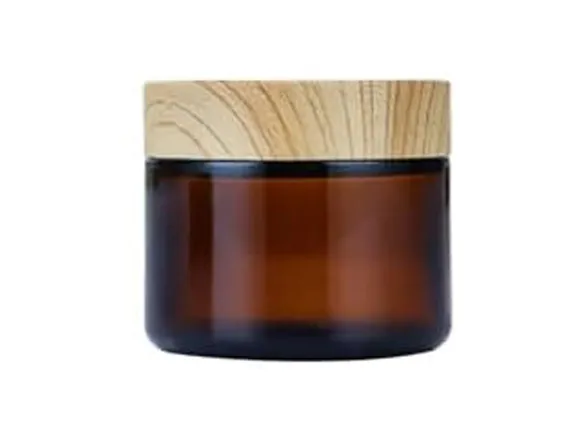
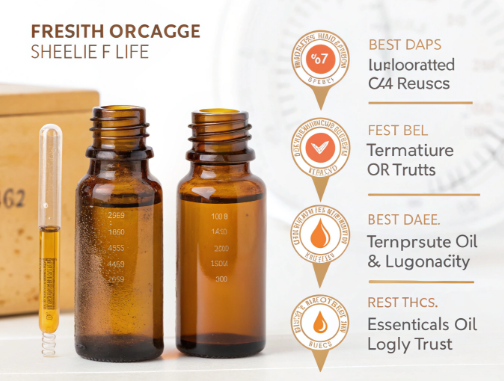
Essential oils must be stored in dark glass bottles (typically amber or cobalt blue) to block UV rays and slow oxidation, which preserves scent, efficacy, and safety.
Essential oils are volatile compounds. When exposed to sunlight or even fluorescent lighting, key components such as monoterpenes and esters start to degrade. This causes:
-
Altered aroma (harsh, flat, or faded)
-
Loss of therapeutic benefits
-
Increased skin irritation risk
-
Shortened product shelf life
UV Protection Comparison
| Bottle Color | UV Protection Level | Ideal For |
|---|---|---|
| Amber Glass | 90%+ | All essential oils, especially citrus and floral |
| Cobalt Blue | Moderate (~50%) | Aesthetic or wellness branding |
| Clear Glass | None | Only safe for boxed/tester use |
PauPack's bestsellers include amber dropper bottles (5ml–30ml) and cobalt rollers (10ml) with tamper-proof caps, perfect for protecting both oil quality and your brand reputation.
How can you tell if essential oils have gone bad?
Unlike food, essential oils don’t mold or rot—but they can oxidize, degrade, and become unsafe.
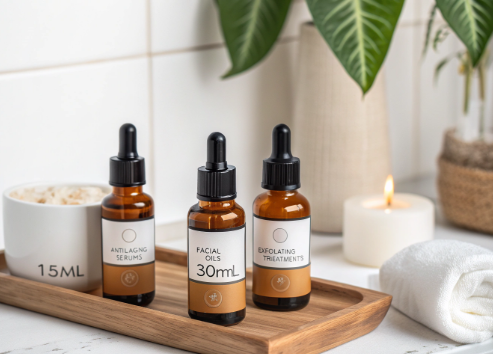
Essential oils have gone bad if they smell different, change color, become thick or sticky, or cause skin irritation.
Many essential oil changes are subtle at first but can drastically affect product performance and safety.
Signs Your EO Has Expired
| Sign | What It Indicates | Common Examples |
|---|---|---|
| Sour or bitter odor | Oxidation of top notes | Lemon, orange, peppermint |
| Color darkening | Light or heat exposure | Lavender turns yellow-brown |
| Thick or sticky texture | Evaporation or breakdown | Eucalyptus or tea tree |
| Skin irritation | Chemical transformation | Especially citrus and blends |
Tip: Do a patch test before using old oils on skin, even if they "smell okay"—oxidation increases allergy risk.
At PauPack, we help brands label their bottles with batch codes and expiration dates, which builds customer trust and product safety compliance.
Why did my essential oil turn black?
It shouldn’t—and if it did, it’s a red flag.
Essential oils don’t naturally turn black. If yours did, it’s likely due to UV damage, improper storage, chemical contamination, or cap interaction.
Discoloration could result from:
-
Light exposure: Prolonged sun contact breaks down lighter compounds, darkening the oil.
-
Cap leaching: Low-grade rubber droppers or plastic lids may release colorants or stabilizers into oil.
-
Oxidation: Over time, oils thicken and change hue—especially citrus, which can appear brown or black when degraded.
-
Improper reuse: Bottles not properly cleaned between uses can result in microbial or pigment contamination.
Prevention Strategies
| Cause | Prevention Tip |
|---|---|
| UV degradation | Store in amber glass, away from windows |
| Contaminated closures | Use EO-compatible caps (no cheap plastic) |
| Residue from previous oil | Always sterilize before refilling |
PauPack bottles undergo compatibility testing to ensure your formulas stay stable—even during long shipping journeys or warehouse storage.
How long do essential oils last in the bottle?
Shelf life depends heavily on the oil type and how it's stored. Some oils are fragile and fade fast; others grow richer over time.
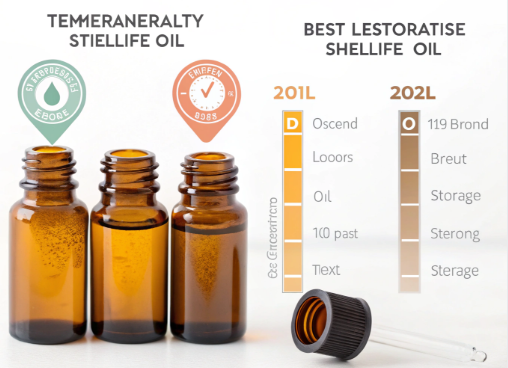
Essential oils typically last 1–5 years in the bottle, but some (like patchouli or sandalwood) can last up to 10+ years when stored properly.
Average Essential Oil Lifespans
| Oil Type | Typical Shelf Life | Notes |
|---|---|---|
| Citrus (lemon, bergamot) | 1–2 years | Oxidizes quickly—use small bottles |
| Floral (rose, ylang) | 2–3 years | Keep cool and sealed |
| Herbaceous (lavender, thyme) | 3–4 years | Moderate stability |
| Woodsy (sandalwood, cedar) | 5–10+ years | Improves with age (like wine) |
| Resinous (frankincense, myrrh) | 6–10 years | Highly stable in amber glass |
How to Extend Shelf Life
-
Use airtight closures: Oxygen speeds up oxidation.
-
Store upright: Prevents oil leakage or cap damage.
-
Avoid frequent opening: Less air exposure = longer life.
-
Keep below 25°C (77°F): Heat accelerates chemical breakdown.
-
Choose 5–10ml bottles for volatile oils like lemon or grapefruit to reduce waste from slow use.
We recommend PauPack's tamper-proof, UV-blocking amber bottles for brands targeting long shelf life and clean label compliance.
Conclusion
The right bottle—and the right habits—can extend your essential oil’s lifespan by years. That’s not just smart packaging. That’s smart business.
Dark glass protects your essential oils from time, light, and oxidation—because a great oil deserves to last.