

You might think that sealed essential oils last forever—but sadly, that’s not the case.
Yes, unopened essential oils do expire over time. While they last longer when sealed and stored properly, each oil has a unique shelf life depending on its chemical makeup and storage conditions.
If you're running a skincare or wellness brand, ignoring expiration timelines could mean compromised product quality—or worse, irritated customers. Let’s explore how to tell if oils are still safe and what to do when they’re not.

How long do unopened essential oils last?
Even when sealed, essential oils have a ticking clock—though it’s a long one.
Most unopened essential oils last between 2 to 5 years, while some, like patchouli or sandalwood, can remain stable for over a decade under proper storage conditions.
Dive Deeper: Shelf life by oil type
The longevity of an essential oil depends largely on its composition. Oils high in monoterpenes (like citrus) oxidize faster, while those rich in sesquiterpenes (like patchouli) are more stable.
| Essential Oil Type | Approx. Shelf Life (Unopened) | Notes |
|---|---|---|
| Citrus Oils (lemon, orange) | 1–2 years | Oxidize quickly; refrigerate if possible |
| Tea Tree, Eucalyptus | 2–3 years | Moderate shelf life |
| Lavender, Peppermint | 3–4 years | Stable when stored cool & dark |
| Patchouli, Sandalwood | 6–10+ years | Improve with age like fine wine |
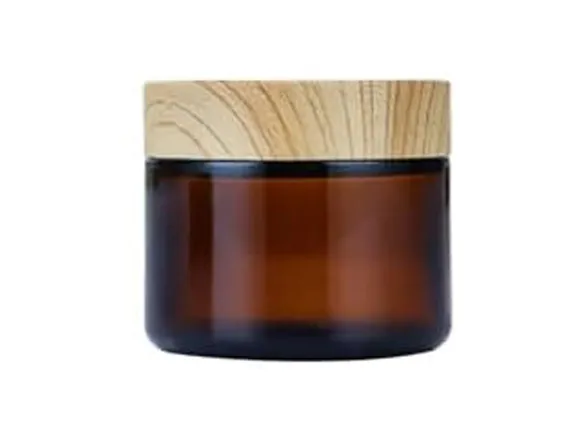
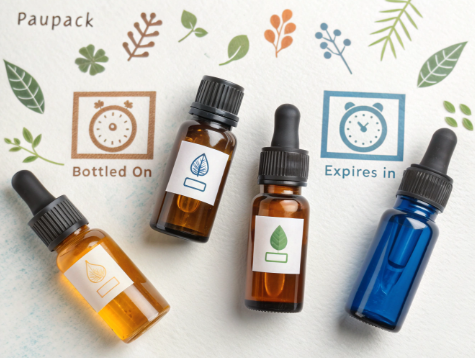
At PauPack, we supply amber and cobalt blue glass bottles that block UV light and slow down oxidation. That’s why proper packaging is as critical as the oils themselves.
When should I throw out my essential oils?
Hoarding expired oils “just in case”? It’s time to let go.
You should discard essential oils when they smell off, appear cloudy, or irritate the skin—clear signs that oxidation or contamination has occurred.
Dive Deeper: Don't wait for disaster
Using expired oils can lead to product recalls or negative reviews. Here are some common signals:
Red Flags:
-
Smell changes: A sharp, sour, or chemically scent often signals oxidation.
-
Appearance shifts: Cloudiness, sediment, or a thickened texture are signs to toss it.
-
Skin reactions: Expired oils can cause rashes or stinging, especially in sensitive users.
PauPack helps B2B clients avoid these issues by offering custom expiry labeling, batch tracking, and high-barrier glass packaging. This adds an extra layer of quality assurance for your end customers.
What happens if you use expired oils?
Using oils past their prime? You're taking a bigger risk than you think.
Expired essential oils may lose their therapeutic effects and, worse, cause skin irritation or allergic reactions due to oxidation and chemical breakdown.
Dive Deeper: From aromatherapy fail to skin damage
Expired oils don’t just “smell weaker.” They can actively harm your product’s integrity and your customer’s trust.
Risks of Using Expired Oils:
| Risk Type | Consequence | Example Scenario |
|---|---|---|
| Loss of efficacy | Product doesn’t perform as claimed | Aromatherapy fails to relax or energize |
| Skin irritation | Redness, burning, allergic rash | Facial serum causes breakouts |
| Rancid odor | Unpleasant user experience | Candle or diffuser smells "off" |
| Negative reviews | Damage to brand reputation | Online complaints and returns |
That’s why at PauPack, we don’t just sell bottles—we offer supply chain solutions that help you rotate inventory efficiently and minimize spoilage.
How to tell if essential oil is rancid?
You don't need a lab test to spot a bad batch—just your senses.
You can identify rancid essential oils by changes in scent, color, or consistency. If the oil smells sour, looks cloudy, or feels sticky, it’s likely gone bad.
Dive Deeper: Sensory tests that work
Here’s a simple checklist your team can use before filling, blending, or shipping products:
The "Rancid Oil" Checklist:
-
Scent: Any sharp, sour, or chemical smell? That’s a no-go.
-
Color: Has it darkened or turned cloudy? Discard.
-
Texture: Sticky or unusually thick? Likely oxidized.
-
Effect: Test a diluted drop on your skin—any redness or tingling is a red flag.
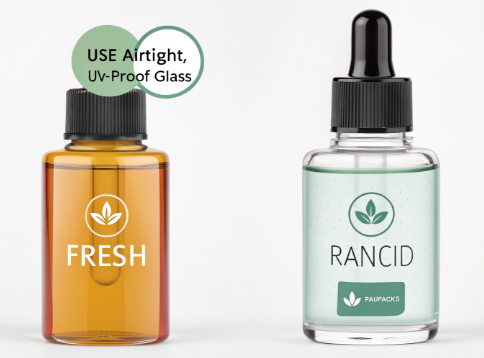
We advise all PauPack clients to store oils in air-tight, UV-proof glass containers and to include expiration timelines on their product packaging. We even offer heat shrink seals and tamper-proof closures to extend shelf life.
Conclusion
Unopened essential oils do expire—so proper storage, smart packaging, and sensory checks are key to maintaining quality and protecting your brand.