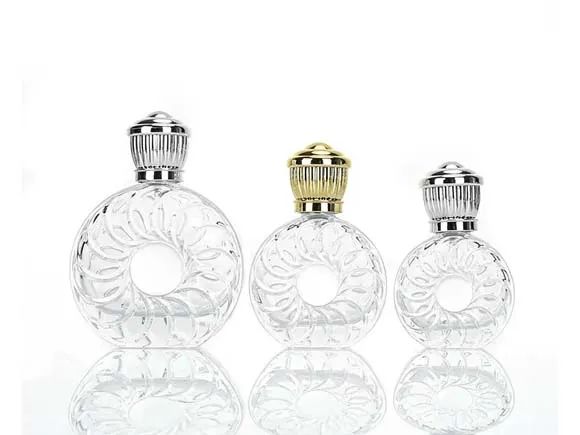


Curious if you can DIY your own perfume using essential oils and a spray bottle? You totally can—with the right formula.
Yes, you can make perfume with essential oils by diluting them properly in a base of alcohol or water, then bottling them in a spray container for convenient use.
Whether you’re a beauty brand founder or just exploring new product lines, this method is a cost-effective and creative way to build personalized scents or expand your fragrance offerings. Here’s how to do it right.
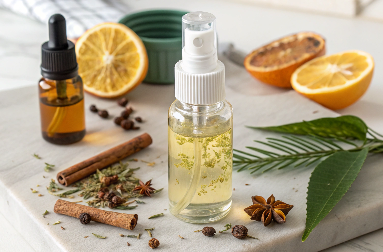

How to turn essential oil into perfume spray?
That dreamy scent in your diffuser—can it become your signature perfume?
To make a perfume spray from essential oils, mix them with alcohol (like vodka) or a carrier, let it sit to blend, then pour it into a glass spray bottle.
Let’s break down the full process for professionals and hobbyists alike.
Basic DIY Perfume Spray Recipe
Ingredients:
-
20-30 drops of essential oils (blended using the 30/50/20 rule)
-
1 tbsp carrier oil (jojoba or sweet almond, optional)
-
2 oz high-proof alcohol (vodka or ethanol)
-
Optional: distilled water to soften scent
Steps:
-
Blend essential oils based on desired fragrance note balance.
-
Add to alcohol in a sterilized glass container.
-
Let sit for 24–48 hours (or longer for deeper scent bonding).
-
Filter if needed and pour into a UV-protected glass spray bottle.
Pro tip: At PauPack, we recommend using amber or cobalt blue glass bottles with fine mist spray heads to protect the blend and deliver an even application.
Packaging Tips for Perfume Spray
| Component | Recommendation |
|---|---|
| Bottle material | Amber glass (UV protection) |
| Spray mechanism | Fine mist sprayer (smooth distribution) |
| Volume | 10ml, 15ml, or 30ml (travel-ready or full-size) |
| Decoration | Silk-screen logo or custom label |
We offer OEM customization, including bottle shape, cap design, and labeling—ideal for beauty brands scaling perfume SKUs.
Can you put oil perfume in a spray bottle?
Thick oils and spray pumps—do they mix well?
You can put oil-based perfume in a spray bottle, but it needs a fine mist atomizer designed for oils, and the oil must be light enough to spray smoothly.
When Spray Works—and When It Doesn’t
Most perfume sprays are alcohol-based for a reason: it atomizes well. But with proper formulation, oil-based sprays can work if:
-
The oil is thin, like fractionated coconut or jojoba.
-
The sprayer has wide-flow channels (look for “oil sprayer” or “high-viscosity” type).
For brands creating oil perfumes, we recommend dropper caps or roller bottles as alternatives—less clogging, more control.
PauPack’s Role
We help clients customize:
-
Roller bottles for oil perfumes
-
Dropper bottles for thicker serums
-
Spray bottles with mist or oil-type nozzles
Need a 30ml matte black bottle with a smooth oil spray pump? We’ve got you covered.
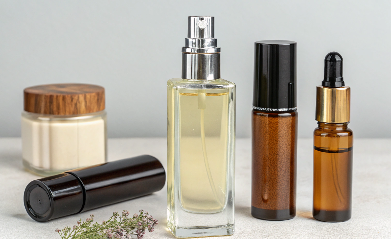
Can I put essential oils in a plastic spray bottle?
You could—but should you?
It’s not recommended to put pure essential oils in plastic spray bottles, as they can degrade the plastic over time and compromise the formula.
Chemical Reality Check
Pure essential oils are potent solvents. They:
-
Break down plastic like PET or PVC
-
Can leach harmful compounds from plastic into your formula
-
Lose potency or cause cloudiness in unstable containers
The Better Choice: Glass Bottles
| Bottle Type | Essential Oil Compatibility |
|---|---|
| Amber glass | ✅ Excellent |
| Cobalt glass | ✅ Great |
| PET plastic | ❌ Risk of degradation |
| HDPE plastic | ⚠️ Short-term use only |
At PauPack, we primarily produce glass packaging for essential oils because it ensures stability, quality, and premium brand positioning. Plus, it aligns with eco-conscious values.
Can essential oil mist be used as perfume?
So that room spray you love—can it double as your fragrance?
Yes, essential oil mist can be used as a perfume if it's properly formulated with skin-safe dilution, non-irritating oils, and appropriate packaging.
Body Mist vs Room Spray
-
Body Mist: Requires carrier or alcohol dilution, skin-safe oils only
-
Room Spray: May contain stronger concentrations or oils not meant for skin contact
Safe Formulation Guidelines
| Factor | Recommendation |
|---|---|
| Dilution | 2–5% EO in alcohol/water |
| Essential oils | Skin-safe (lavender, bergamot, etc.) |
| Packaging | Glass spray bottle with fine mist pump |
| Testing | Always patch test first |
At PauPack, we support brands creating multi-use sprays by offering flexible bottle formats (from 5ml to 100ml) and matching accessories, including tamper-evident caps and fragrance-grade misters.
Conclusion
Turning essential oils into perfume isn’t just possible—it’s a smart, scalable move for beauty brands and DIY creators alike. With the right formulation and the right packaging, your scent can become a signature.